5 min read
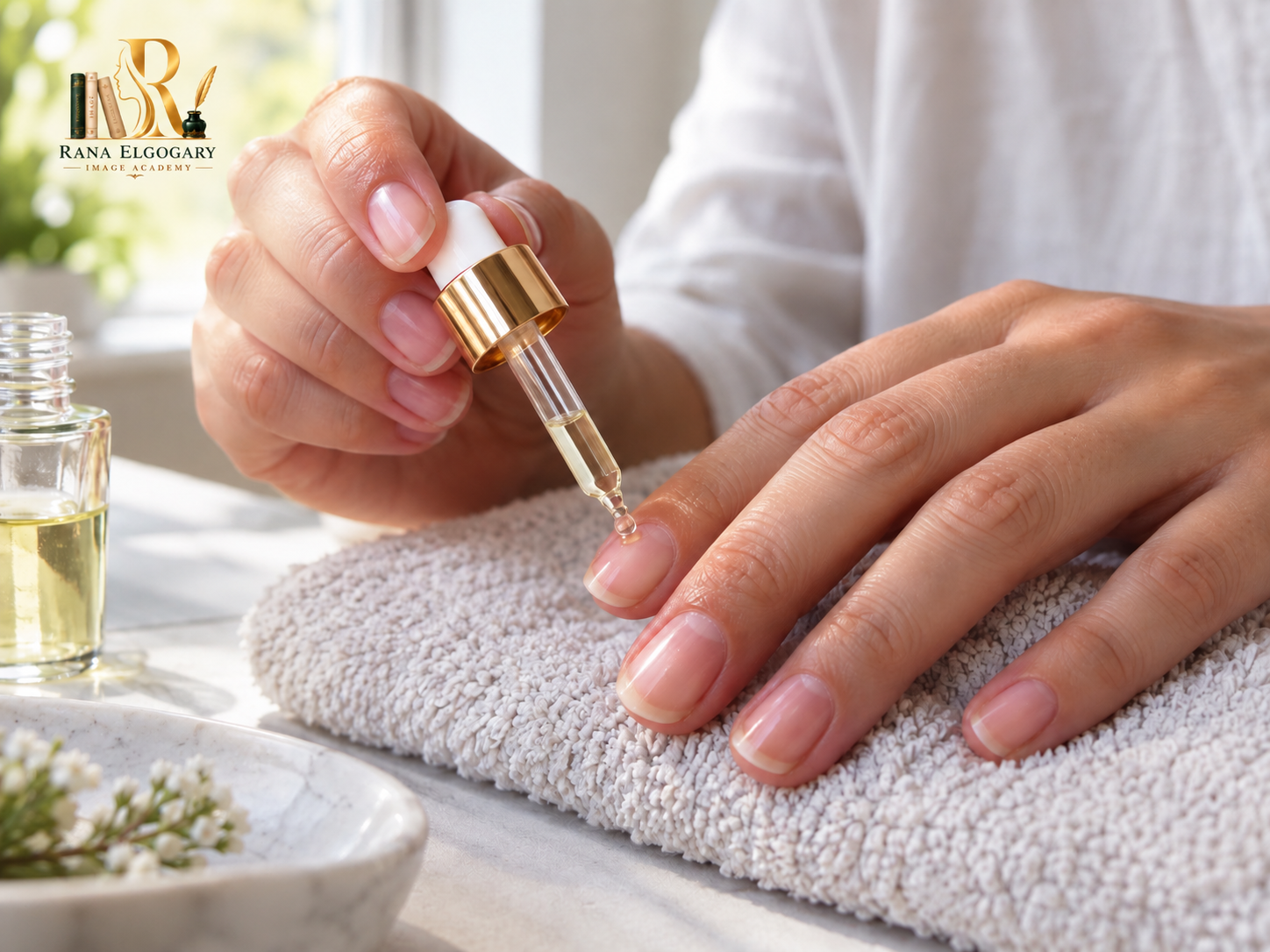
During a manicure, the thin tissue at the base of the nail can look like excess skin that should be removed for a cleaner finish. Anatomically, however, the cuticle has a real protective function. It helps seal the area where the nail plate meets the proximal nail fold, limiting the entry of microorganisms and irritants. Healthy cuticle care therefore isn’t about removing this barrier. It is about protecting it while caring for the surrounding skin safely.
Article Content
What Is the Cuticle?
Everyday beauty language often uses the word “cuticle” for all the skin around the base of the nail.
Anatomically, the structures are more specific.
The proximal nail fold covers the base of the nail and overlies part of the nail matrix. Its ventral surface includes the eponychium, which produces the keratinized tissue that adheres firmly to the nail plate—the cuticle.
So the cuticle is not simply a random piece of excess skin.
It belongs to the functional anatomy of the nail unit.
What Does It Do?
Its major role is to help create a seal between the nail plate and the proximal nail fold.
Anatomy references in the National Library of Medicine describe this seal as protective against microorganisms, irritants, and other substances that might reach the underlying nail structures.
The CDC likewise advises against cutting cuticles because they act as barriers that help prevent infection.
What Happens When the Cuticle Is Cut?
Cutting, aggressively pushing back, or deeply removing the cuticle can disrupt that natural seal.
The American Academy of Dermatology advises against cutting cuticles because the resulting break in the barrier can make it easier for bacteria and other germs to enter and cause infection.
National Library of Medicine references similarly note that cuticle removal during manicures can leave the nail unit more vulnerable to contamination and paronychia.
What Is Paronychia?
Paronychia is inflammation or infection of the tissues around the nail.
In acute paronychia, microorganisms can enter through a break in the skin caused by trauma, a hangnail, damage to the nail fold, or loss of the cuticle.
Typical findings include pain, redness, warmth, swelling, and sometimes a collection of pus.
Cutting the cuticle does not guarantee that an infection will occur—but it can remove one of the barriers that normally makes microbial entry more difficult.
Chronic Problems Can Occur Too
Chronic paronychia is more complex than a simple fungal infection.
Clinical references describe repeated moisture exposure and irritants as important factors. Loss of the cuticle can allow the nail fold to separate from the nail plate, creating a space through which moisture, irritants, and microorganisms can enter.
This is one reason repeated trauma around the cuticle should not be treated as purely cosmetic.
What About Russian Manicures?
Modern “Russian” or dry manicures may use electric instruments to work very closely around the nail fold and remove cuticle tissue.
The American Academy of Dermatology has specifically cautioned against practices that breach or remove the cuticle barrier, noting that dermatologists see paronychia and other inflammatory problems after aggressive cuticle removal.
The concern is not the name of the manicure.
It is how much the natural protective barrier is disrupted.
Safer Cuticle Care
Healthy care can still leave nails looking polished.
The key is to distinguish caring for the cuticle from removing the cuticle.
Dermatologists recommend moisturizing dry cuticles and surrounding skin. Petroleum jelly is one simple option that can help reduce dryness and brittleness.
Loose hangnails should be carefully clipped with clean tools rather than pulled, bitten, or torn.
At a salon, tools should be properly cleaned and sterilized between clients, and you can ask the technician not to cut your cuticles.
When to Seek Medical Care
Painful redness, swelling, warmth, or pus around a nail may indicate paronychia rather than a cosmetic issue.
Persistent or worsening symptoms, spreading redness, or a visible collection of pus warrant medical assessment. Some infections require prescription treatment or professional drainage.
“The cuticle isn’t excess skin standing in the way of a manicure. It is a small barrier performing a job much larger than its size.”
Your Beauty & Care… Beauty that respects function before changing appearance ᥫ᭡
Rana Elgogary
Expert Tip
«At your next manicure, don’t ask only: “How can I make the nail area look cleaner?” Also ask: “Am I preserving the barrier that protects the nail?” A neat manicure does not require removing the tissue that helps protect your nail. Your Beauty & Care ᥫ᭡ Rana Elgogary»
Conclusion
The cuticle is a thin keratinized layer that adheres to the nail plate near its base and helps form a protective seal between the nail and surrounding skin. Anatomical and medical sources describe this seal as part of the nail unit’s defense against microorganisms and irritants. For this reason, the CDC and American Academy of Dermatology recommend not cutting the cuticle. Safer nail care emphasizes moisturizing, avoiding aggressive manipulation, trimming only loose hangnails with clean tools, and maintaining proper manicure-tool hygiene.