Your Taste Can Change… Give Yourself Room to Explore
An unfamiliar colour, an intriguing hobby, a place you want to discover… Make room to explore what you enjoy today, beyond your past choices.
Read MoreExclusive articles and practical tips in the world of personal image, etiquette, and styling. Discover the secrets of the perfect look and sophisticated presence.
An unfamiliar colour, an intriguing hobby, a place you want to discover… Make room to explore what you enjoy today, beyond your past choices.
Read More

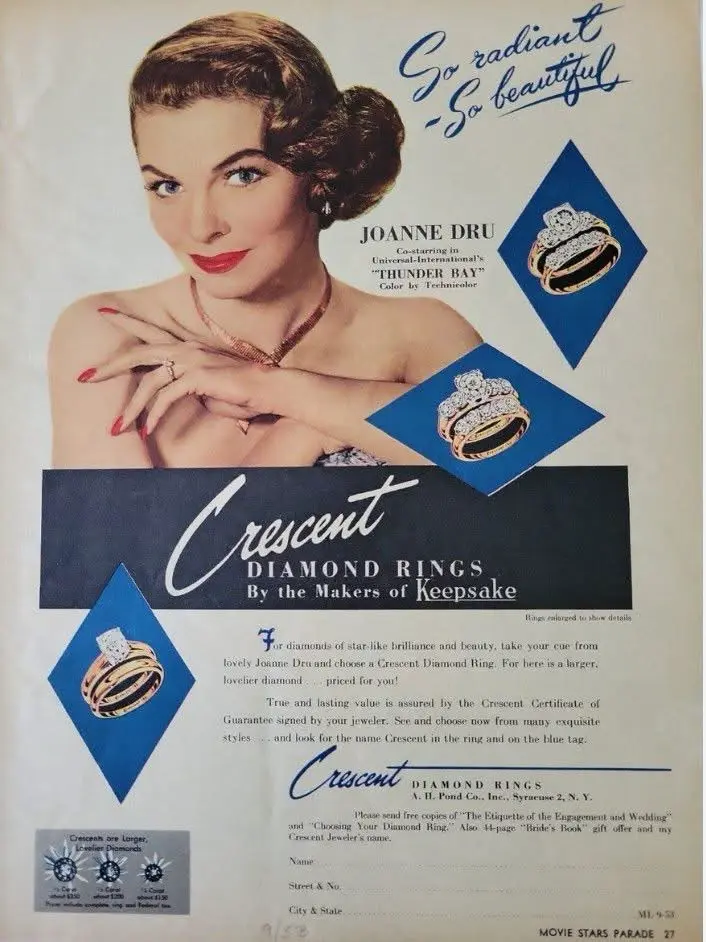
A vintage advertisement brings together Joanne Dru, diamond rings, and engagement and wedding imagery, presenting jewellery through a story of glamour.
Read More
Review your skills, refresh your CV, and plan practical steps back to work around your current goals and responsibilities.
Read More

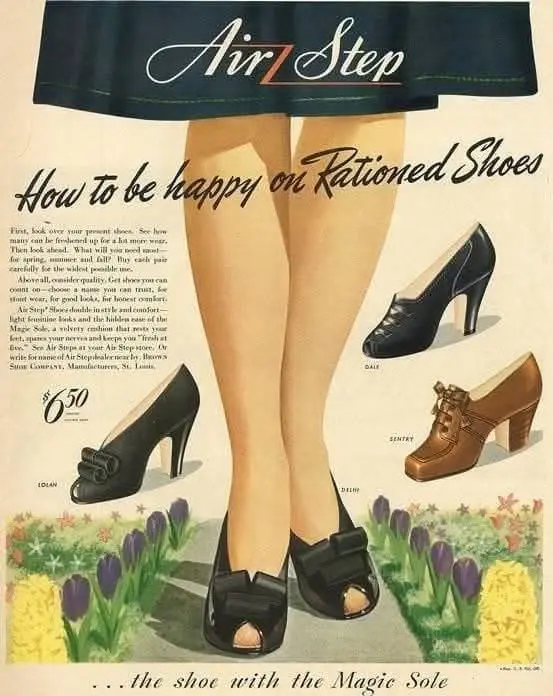
A vintage advertisement reveals how shoe rationing entered fashion’s vocabulary, combining careful purchasing with promises of style and comfort.
Read More
Discuss visits, personal questions, and everyday requests with clear words that respect your needs and those of others.
Read More
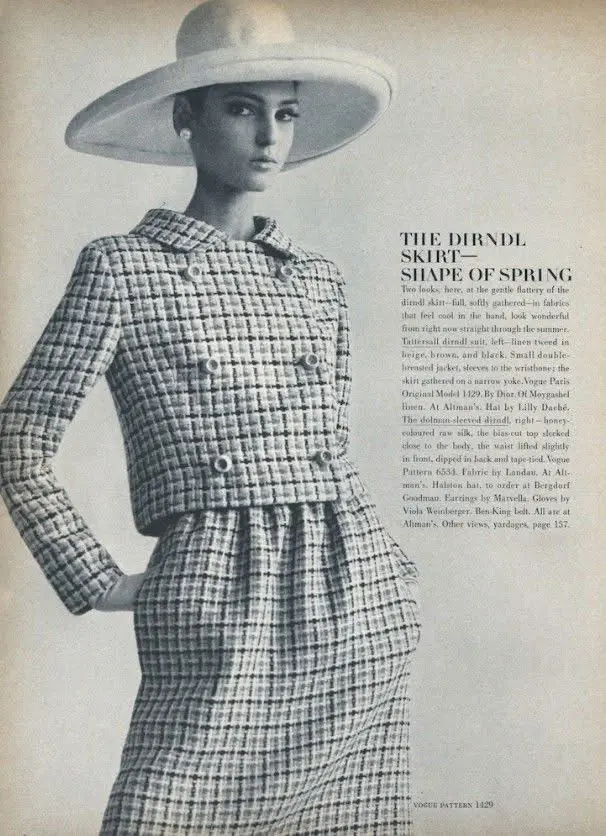
A short jacket, softly gathered skirt, and wide-brimmed hat: a closer look at a Vogue ensemble balancing structured lines with gentle fullness.
Read More

Choose a suitable balm and review your daily habits: simple care for dry lips, and when to seek medical advice.
Read More
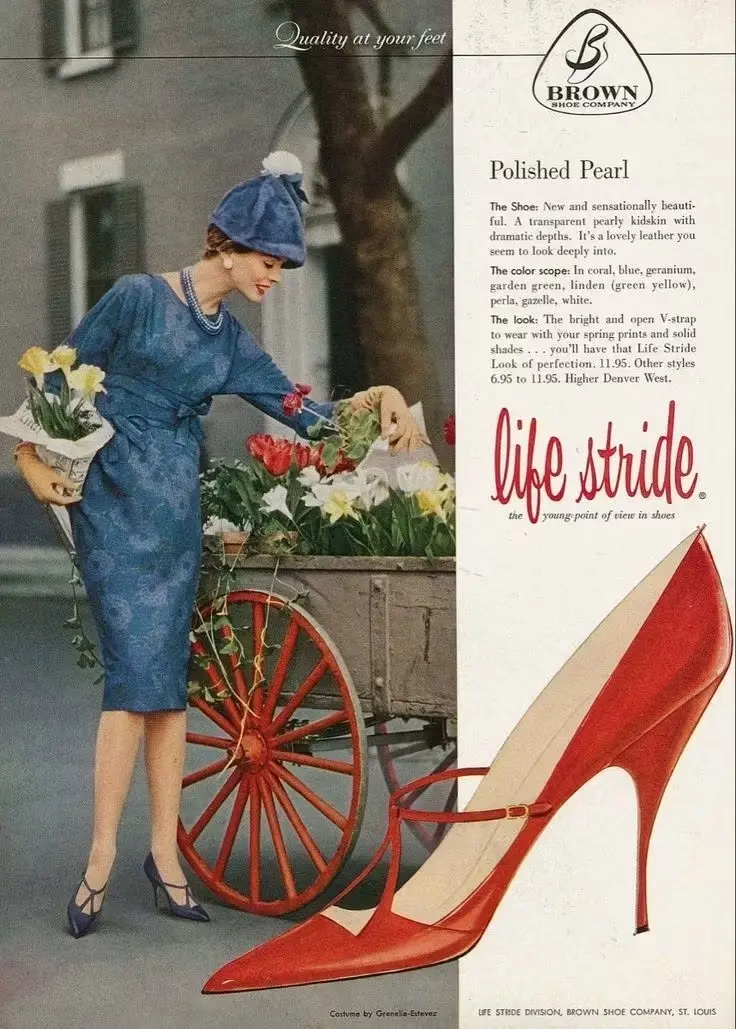
A vintage Life Stride advertisement brings together a blue ensemble, a flower cart, and a glossy red shoe, presenting elegance through a carefully composed scene.
Read More

Communicate clearly and considerately, respect others’ schedules, and use voice notes without expecting everyone to reply immediately.
Read More
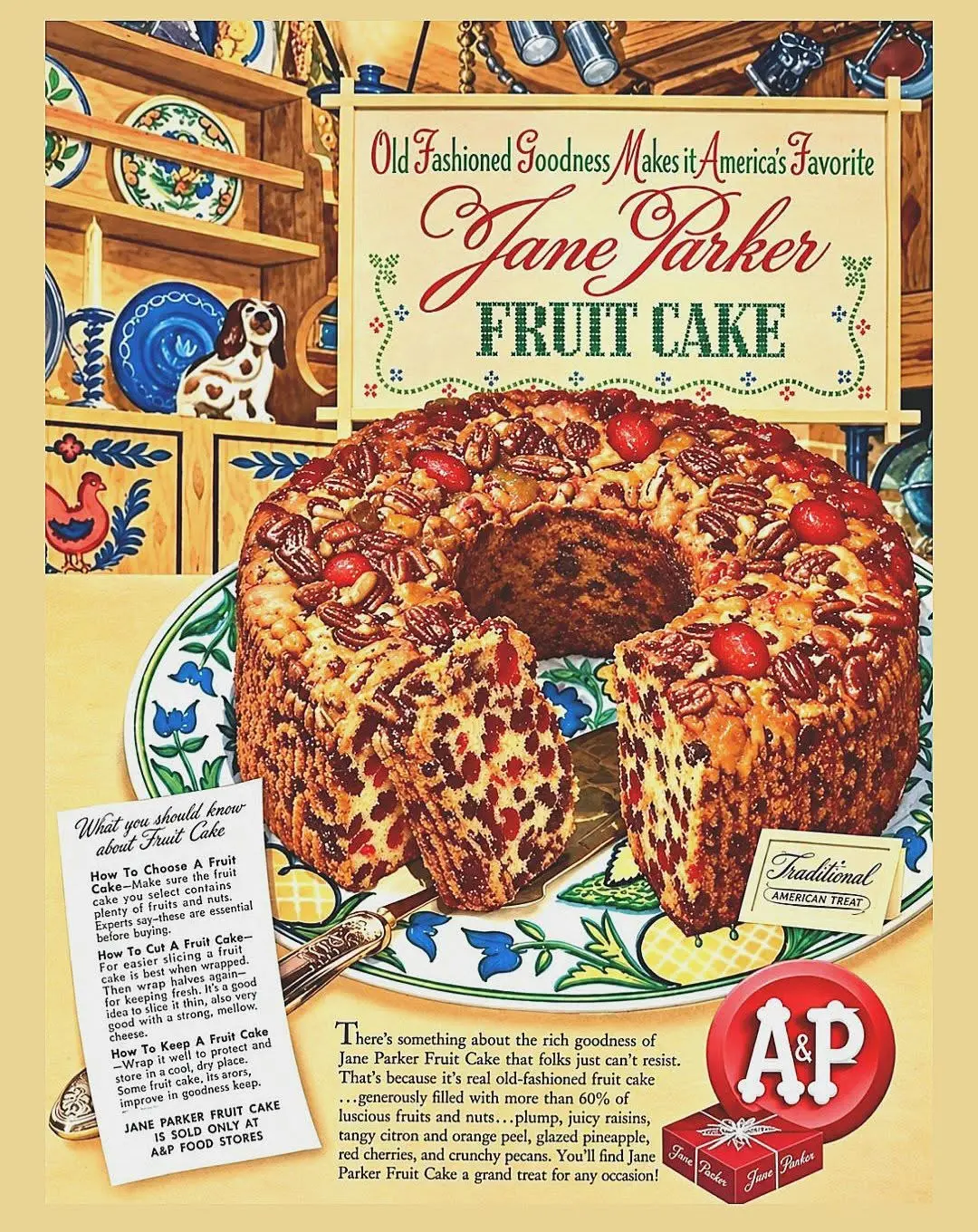
A vintage advertisement brings together fruitcake, decorative dishes, and kitchen details, offering a glimpse into how flavour and home traditions were marketed.
Read More

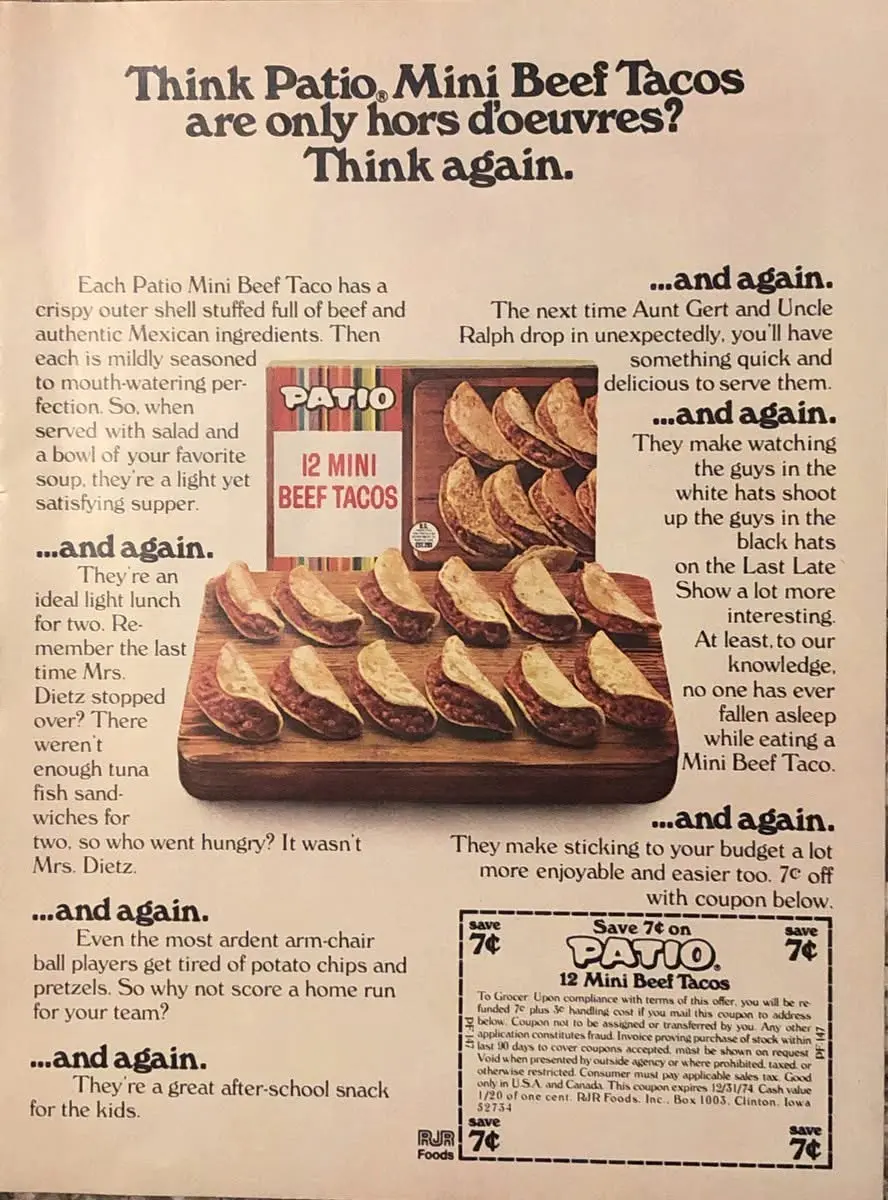
From a simple lunch to unexpected visitors and an evening in front of the television, a vintage mini taco advertisement takes us into everyday life—through a story told around the table.
Read More
An unwanted comment about your weight, clothes, or facial features can create an uncomfortable moment. Learn to express your preferences and set clear boundaries respectfully.
Read More

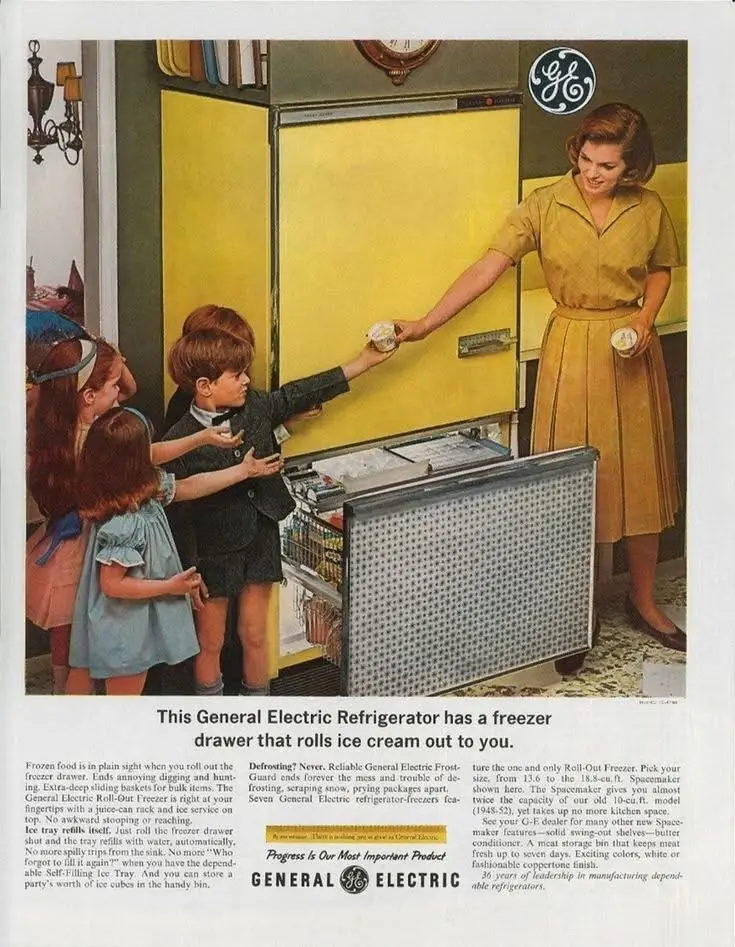
A yellow refrigerator, children waiting for ice cream, and a drawer that slides out… A vintage General Electric advertisement tells a story of household convenience through a simple family moment.
Read More
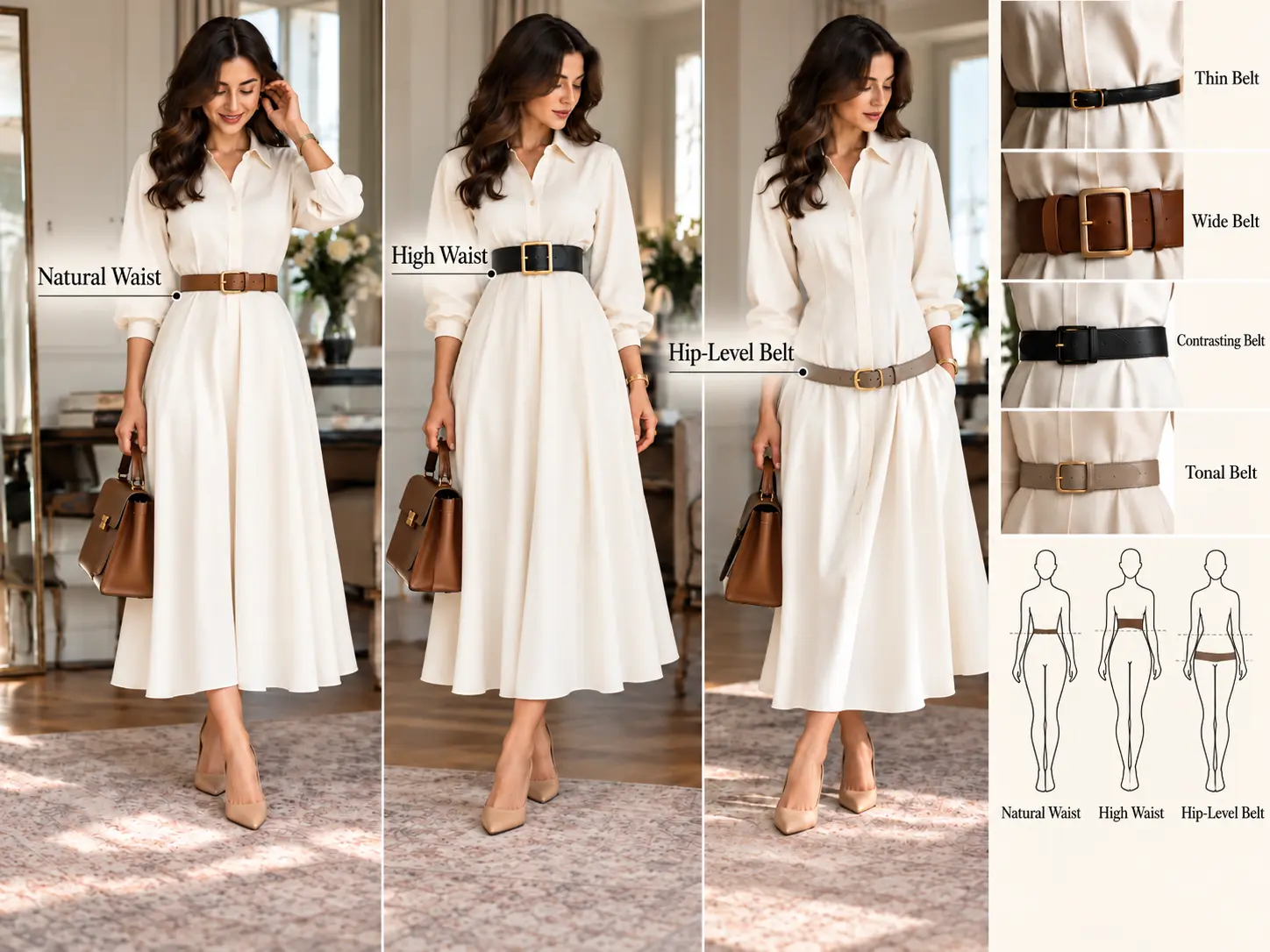
The same dress and belt can create noticeably different looks when the belt is positioned higher or lower. Belt placement creates a visual line that influences how we perceive the relationship between the torso and legs. Its effect also depends on belt width, color contrast, and the garment’s overall silhouette.
Read More

There is an important difference between ending the day by asking: “What did I learn today?” and ending it with a global judgment such as: “I accomplished nothing.” A useful daily review is not designed to put you on trial. It helps you identify what worked, what got in the way, and what your next step should be.

Read More
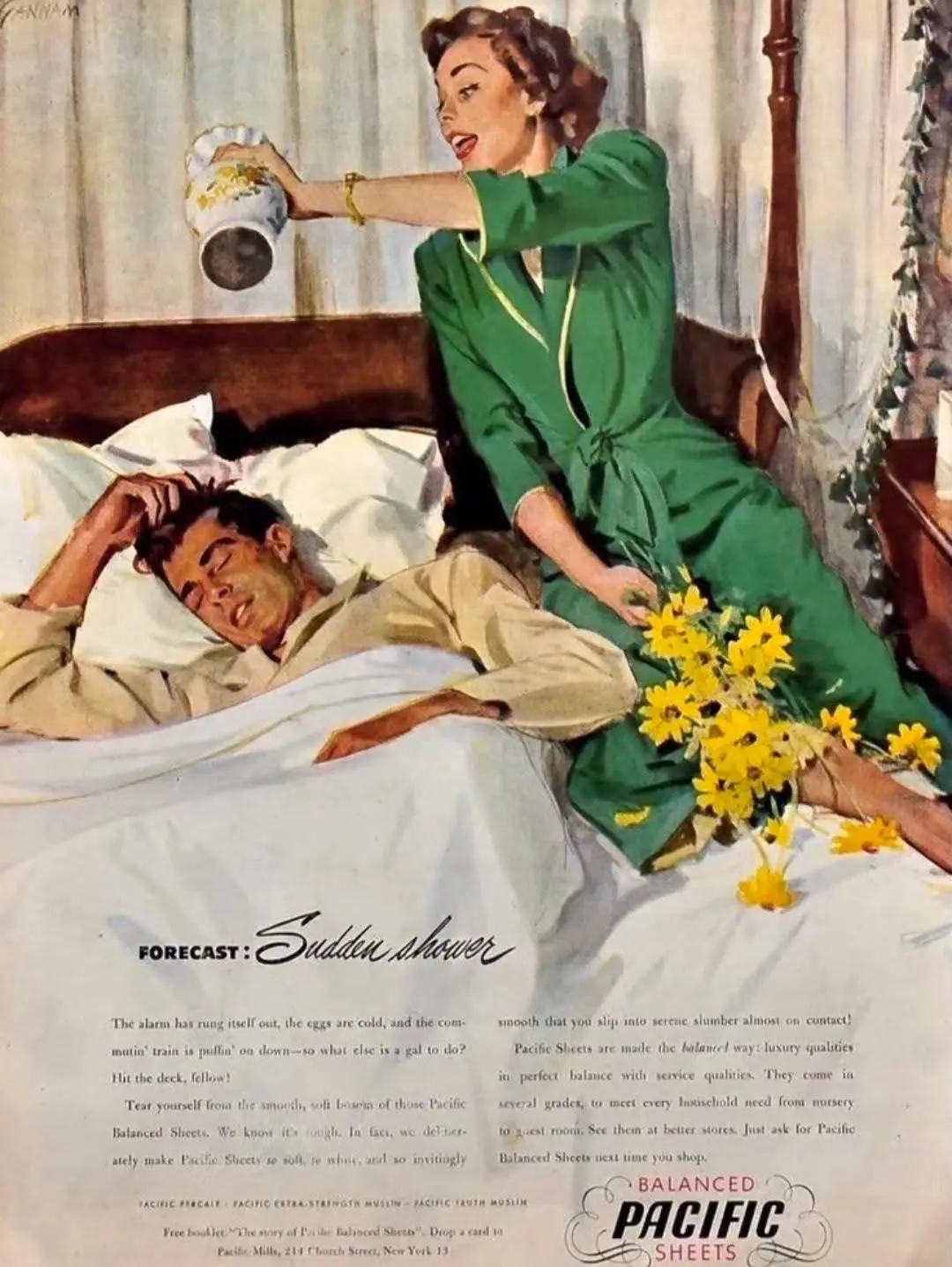
The alarm has rung, breakfast has gone cold, and the commuter train is nearly leaving—but the man is still in bed. In this 1948 Pacific Balanced Sheets advertisement, the woman resorts to a humorous solution: a pitcher of water and a “sudden shower.” Rather than beginning with fabric specifications, the advertisement sells a simple feeling: these sheets are so comfortable that leaving the bed becomes difficult.
Read More
Trust is not built only through major promises or dramatic moments. Much of it develops through repeated everyday experiences: Do words and actions generally match? Can the other person be relied on? Do they respond when something important matters? Research suggests that trust develops through patterns of predictability, dependability, and responsiveness over time. Small actions may seem insignificant on their own, but when repeated, they help shape whether a relationship feels reliable and emotionally secure.
Read More
A summer evening, music, outdoor dancing—and a table of coffee waiting at the edge of the scene. Published in LIFE on August 14, 1950, this Maxwell House advertisement presented coffee as more than a beverage. It became part of the social rhythm of the evening: when the dancing slowed down, coffee brought people together again.
Read More
A meeting can end with everyone appearing to agree—and two days later the questions begin: Who was supposed to do this? When is it due? Did we actually decide this, or merely discuss it? Professional follow-up turns a conversation into an executable record: What did we decide? What needs to happen next? Who owns it? And when should the next step happen?
Read More
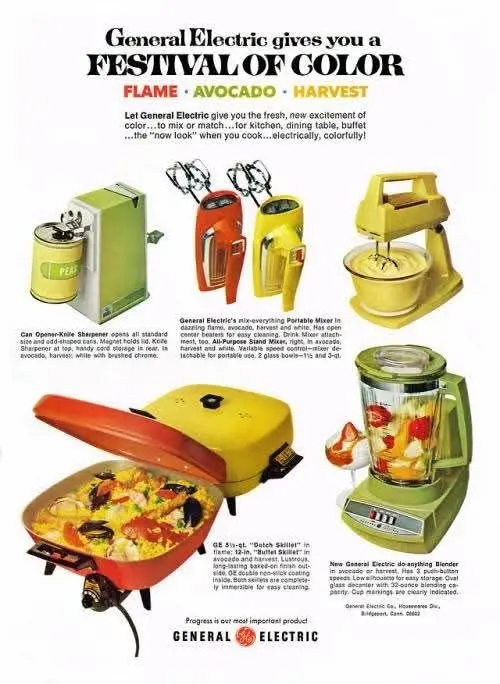
Avocado green, harvest yellow, and fiery orange-red. In this 1969 General Electric advertisement, consumers were not simply choosing between mixers, blenders, skillets, and can openers. They were choosing appliances designed to become part of the kitchen’s color scheme. GE called the campaign: “Festival of Color.” It captures a moment when small electrical appliances were becoming not only useful machines, but visible elements of interior design.
Read More
Dark circles, puffiness, and fine lines can all appear around the eyes, but they do not have the same causes. Some products can improve hydration, soften the appearance of superficial fine lines, and modestly improve certain types of pigmentation or puffiness. They cannot, however, replace lost volume, remove protruding fat, or erase deep structural wrinkles. The most important step is therefore not finding the “best eye cream.” It is identifying what you are actually trying to treat.
Read More
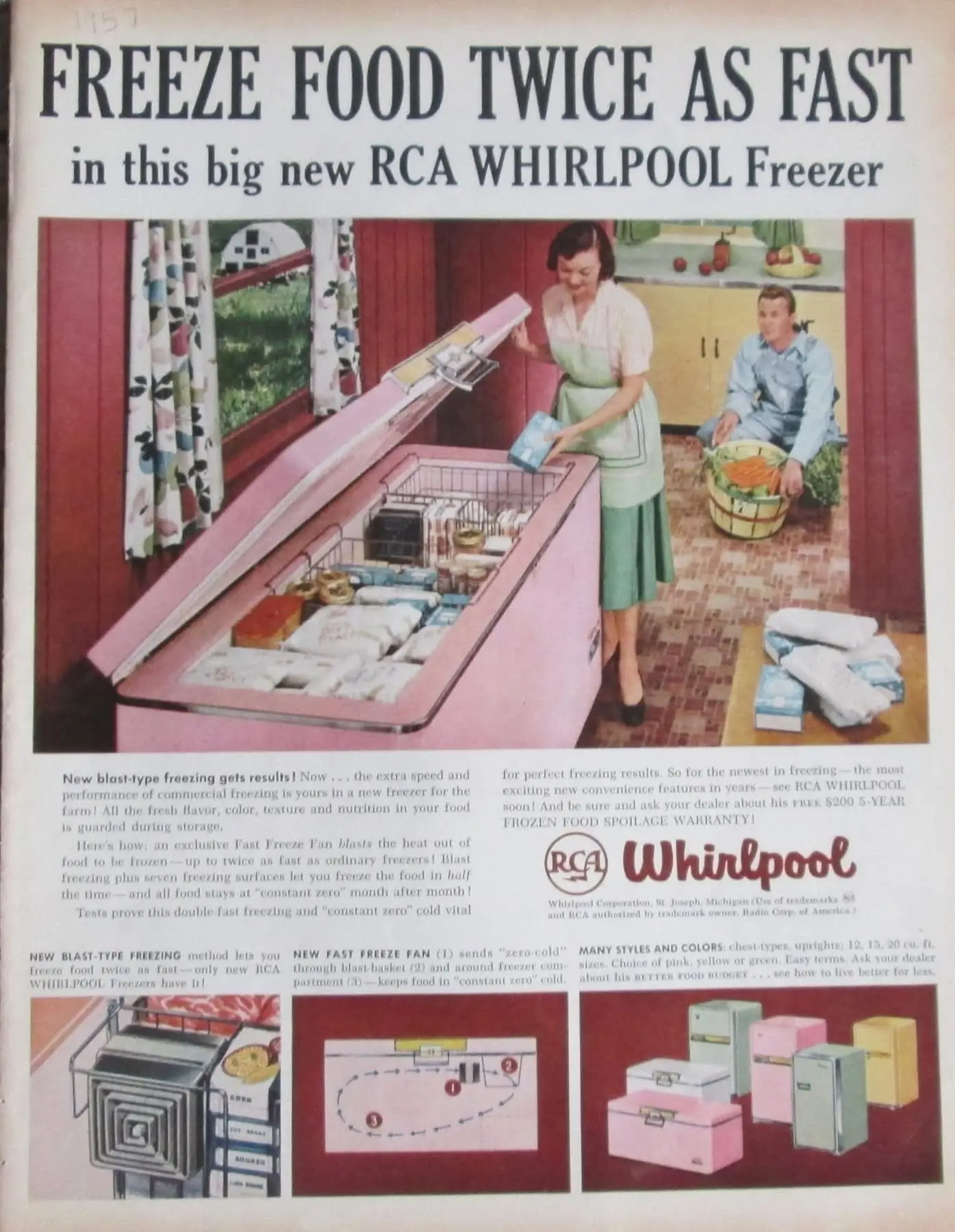
A large pink freezer, baskets of fresh vegetables, and enough stored food to last for weeks or months. This vintage RCA Whirlpool advertisement was selling more than additional freezer space. It promoted faster freezing, steady low temperatures, and the promise of preserving food’s flavor, texture, and quality. It captures a period when the home freezer was beginning to change the way families bought, stored, and planned their food.
Read More
Before you begin speaking in a meeting or interview, part of your presence is already visible. Your sitting posture, shoulder position, body orientation, degree of forward lean, and small movements while listening all form part of nonverbal communication. The goal, however, is not to memorize an artificial “confident pose.” Research does not support assigning one fixed psychological meaning to every posture. A better goal is a position that is comfortable, balanced, natural, and responsive to the interaction.
Read More
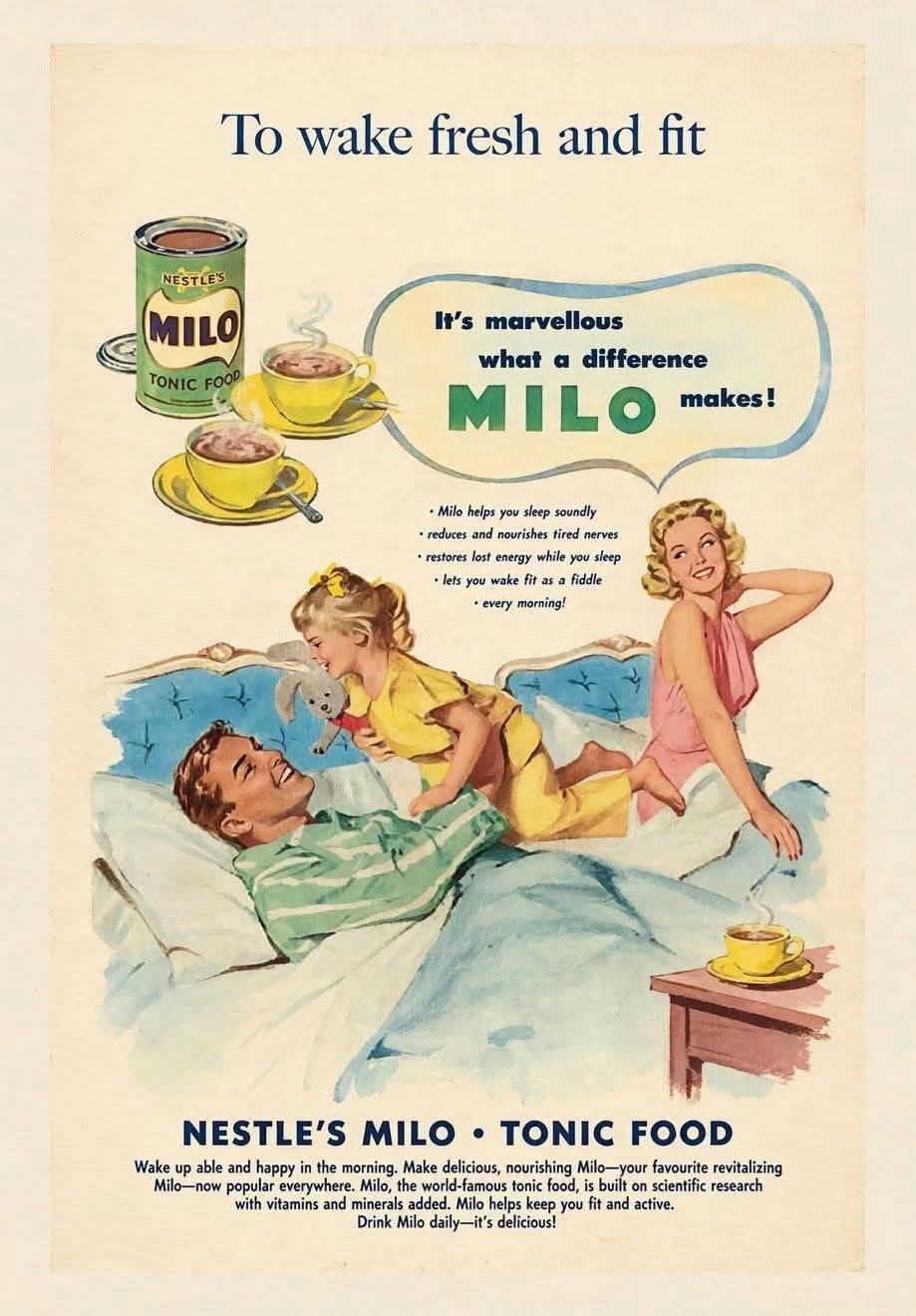
Before MILO became strongly associated with sport, activity, and energy, some of its earlier advertising presented a very different story: a warm bedtime drink followed by restful sleep and a fresh, energetic morning. This mid-1950s campaign shows how food advertising once combined nutrition, rest, family life, and an idealized image of everyday well-being.
Read More
Taking a photograph takes only a second, and sharing it may take another. But being in front of your camera does not automatically mean someone wants to be photographed, and agreeing to a photograph does not necessarily mean agreeing to have it posted online. Modern photo etiquette begins with one simple idea: the image may be on your phone, but the face in it is not yours alone to decide about.
Read More
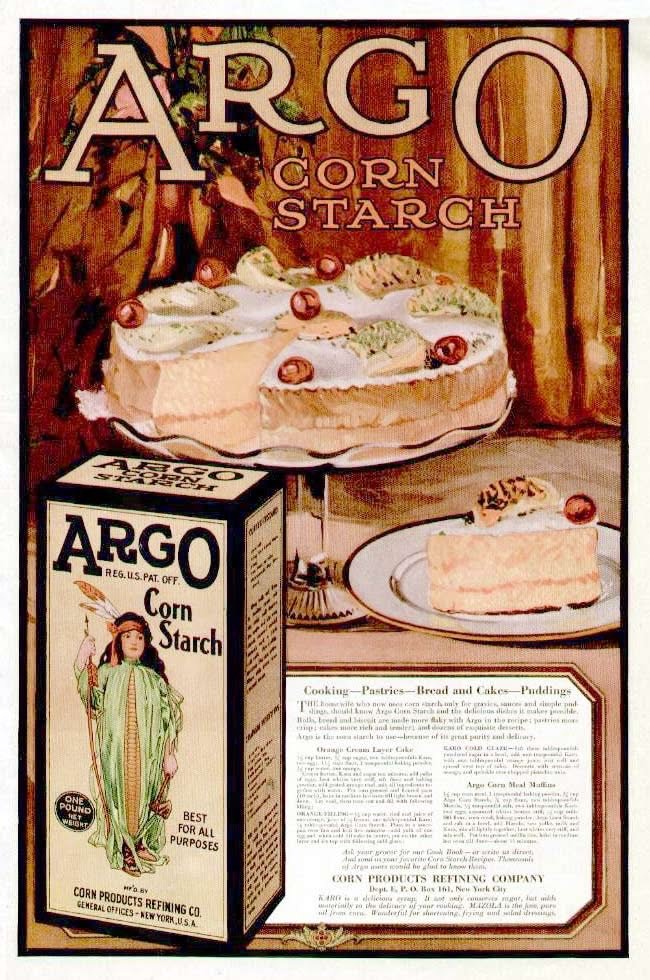
More than a century ago, an Argo Corn Starch advertisement did far more than display a box of starch. It presented an elaborate cake, recipes, and cooking ideas designed to show readers that cornstarch could be used in cakes, pastries, breads, puddings, and other dishes. This 1919 advertisement captures an early form of what we would now call content marketing: teaching consumers how to use a product while simultaneously selling it.
Read More
You may know exactly where you want to go while your current time, energy, financial resources, or responsibilities do not allow you to move as quickly as you imagined. The problem is not always your ambition. And it is not necessarily your ability. The difficulty begins when the distance between “what I want” and “what I can do right now” becomes a judgment about your worth. The goal is not to abandon ambition. It is to find a step that fits your current reality without turning that reality into an accusation against yourself.
Read More
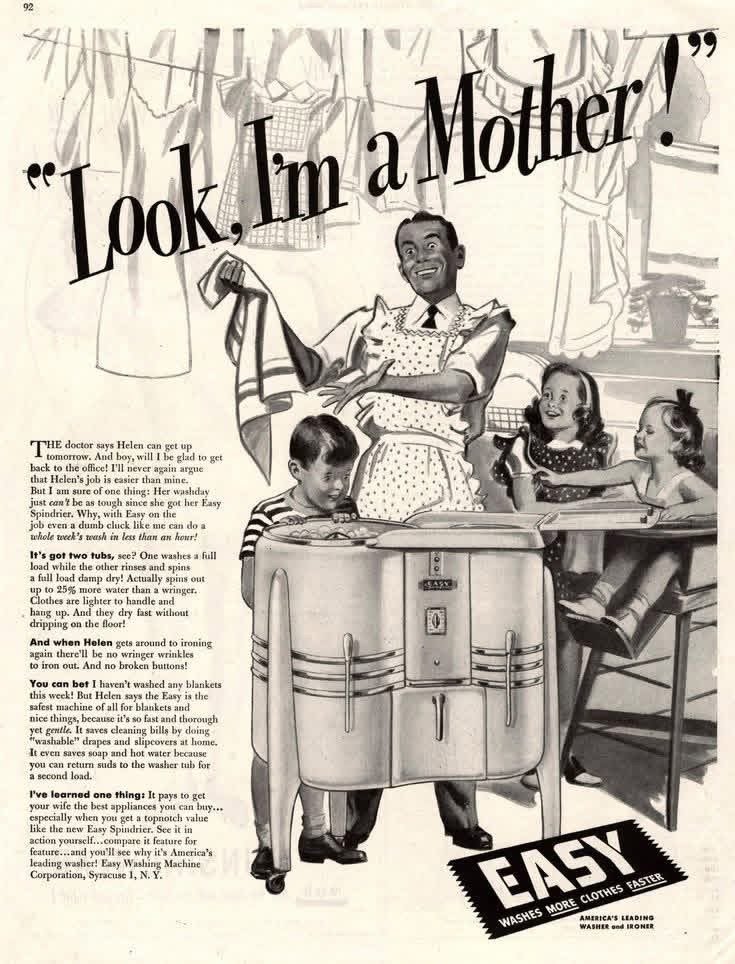
A father in an apron, three children around him, and a twin-tub washing machine at the center of the scene. The headline announces: “Look, I’m a Mother!” In this vintage Easy Spindrier advertisement, Helen is recovering from illness, leaving her husband temporarily responsible for laundry and childcare. The page sells labor-saving technology—but it also reveals how strongly domestic work was associated with women in late-1940s advertising.
Read More
A pair of trousers can fit correctly at the waist, hips, and thighs and still look slightly unresolved. Sometimes the issue lies in the final few centimeters. A trouser break is the fold created when the lower trouser leg meets the shoe. Its appearance depends on trouser length, leg-opening width, silhouette, fabric drape, and footwear. There is therefore no single correct trouser length for every style.
Read More
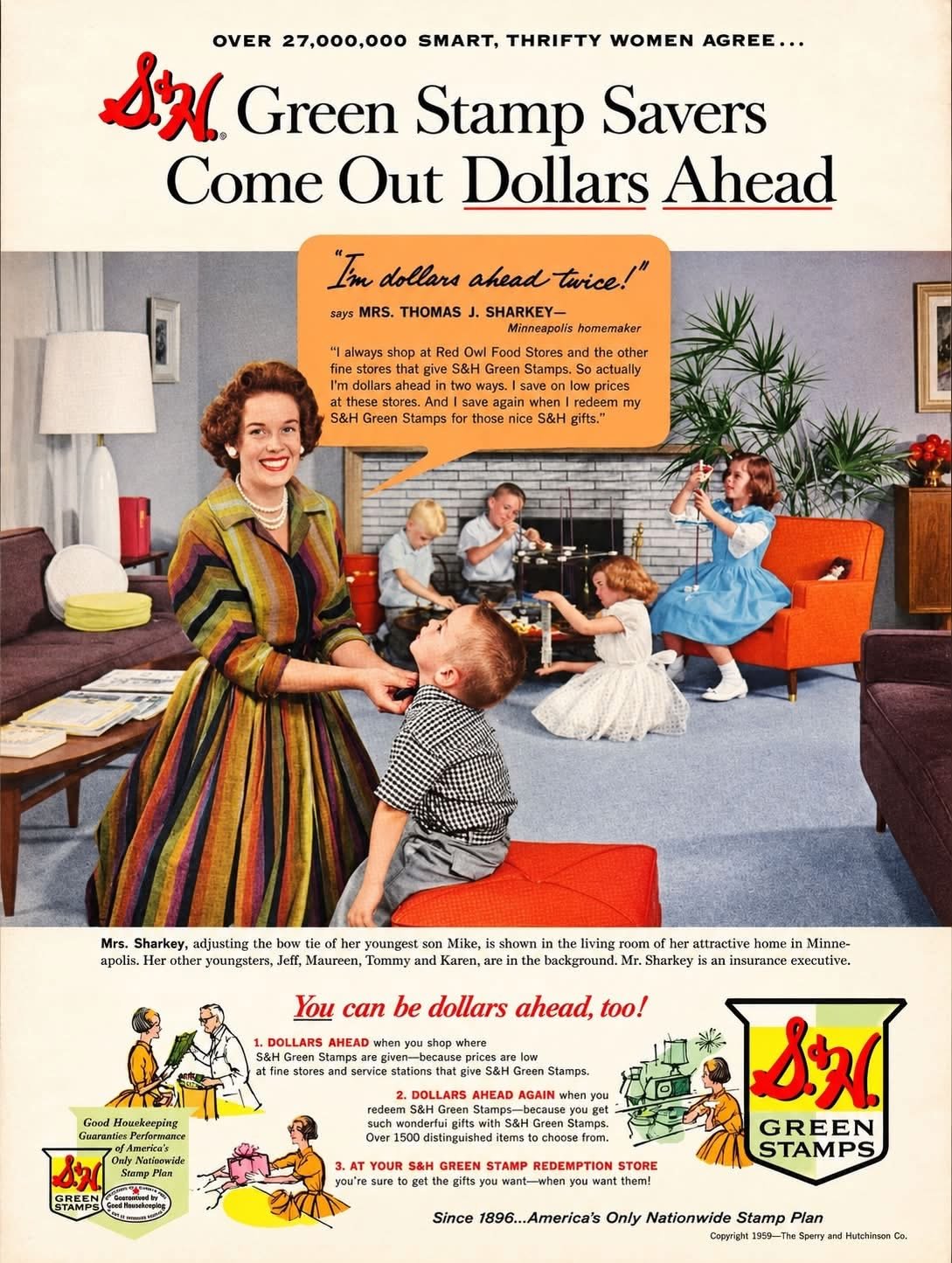
Before apps, digital points, and loyalty cards, American shoppers collected small green paper stamps and pasted them into books. In this 1959 S&H Green Stamps advertisement, a homemaker is presented as coming out “dollars ahead” twice: first by shopping at participating stores and then by redeeming accumulated stamps for merchandise. The page captures an important moment in consumer history, when ordinary purchases became steps toward a future reward.
Read More
You may forgive someone for what happened and still find that trust does not return to what it once was. You may also become less controlled by anger or resentment without choosing to restore closeness or continue the relationship. Forgiveness, reconciliation, rebuilding trust, and continuing a relationship are related concepts—but they are not the same thing, and they do not have to happen together.
Read More
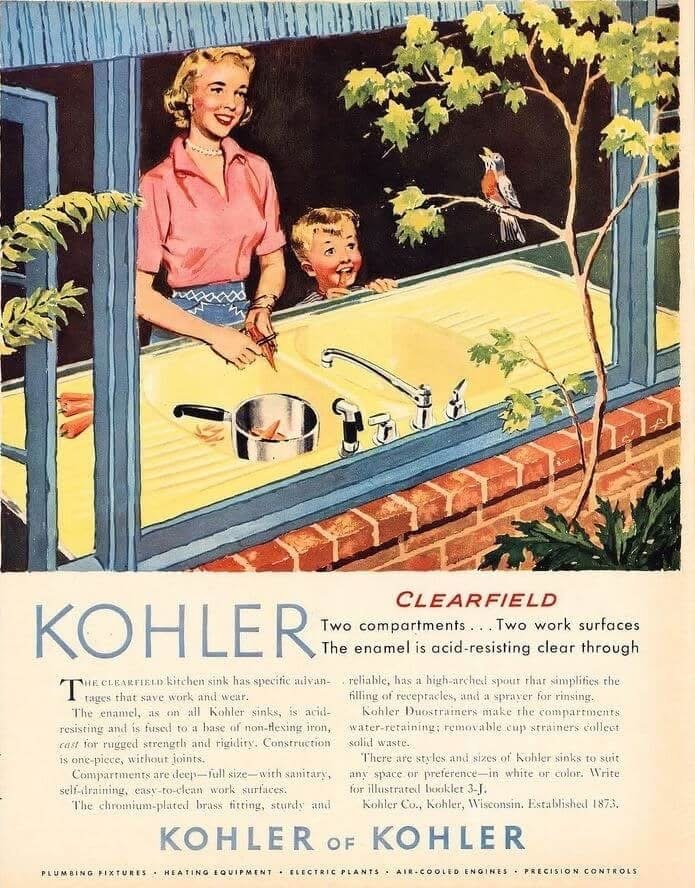
Two separate basins, two work surfaces, a high-arched faucet, a sprayer, and generous space for everyday kitchen tasks. This is how Kohler presented its Clearfield sink in the mid-1950s: not simply as plumbing, but as a kitchen work center intended to make everyday tasks more organized and convenient. The advertisement also reveals something broader about its era—how the idea of the “modern kitchen” was closely tied to women’s domestic work.
Read More
A deadline is not the day you begin rushing. It is the final point in a chain of activities that should have started much earlier. Effective deadline management involves breaking work into manageable parts, identifying dependencies, establishing review points, allowing margin for uncertainty, and comparing actual progress with the original plan before a small delay becomes a crisis.
Read More
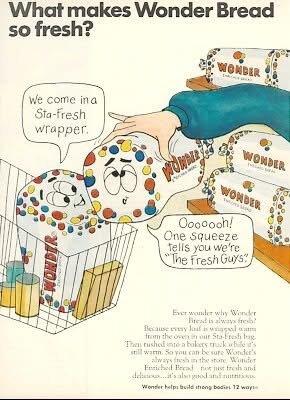
Talking loaves, a hand squeezing a package, and one simple question: “What makes Wonder Bread so fresh?” In Wonder Bread advertising from the early 1970s, freshness was presented not only as a quality of the bread but as a story involving its Sta-Fresh wrapper, packaging, and distribution. The advertisement captures a moment when packaging itself became something brands could actively sell.
Read More
During a manicure, the thin tissue at the base of the nail can look like excess skin that should be removed for a cleaner finish. Anatomically, however, the cuticle has a real protective function. It helps seal the area where the nail plate meets the proximal nail fold, limiting the entry of microorganisms and irritants. Healthy cuticle care therefore isn’t about removing this barrier. It is about protecting it while caring for the surrounding skin safely.
Read More
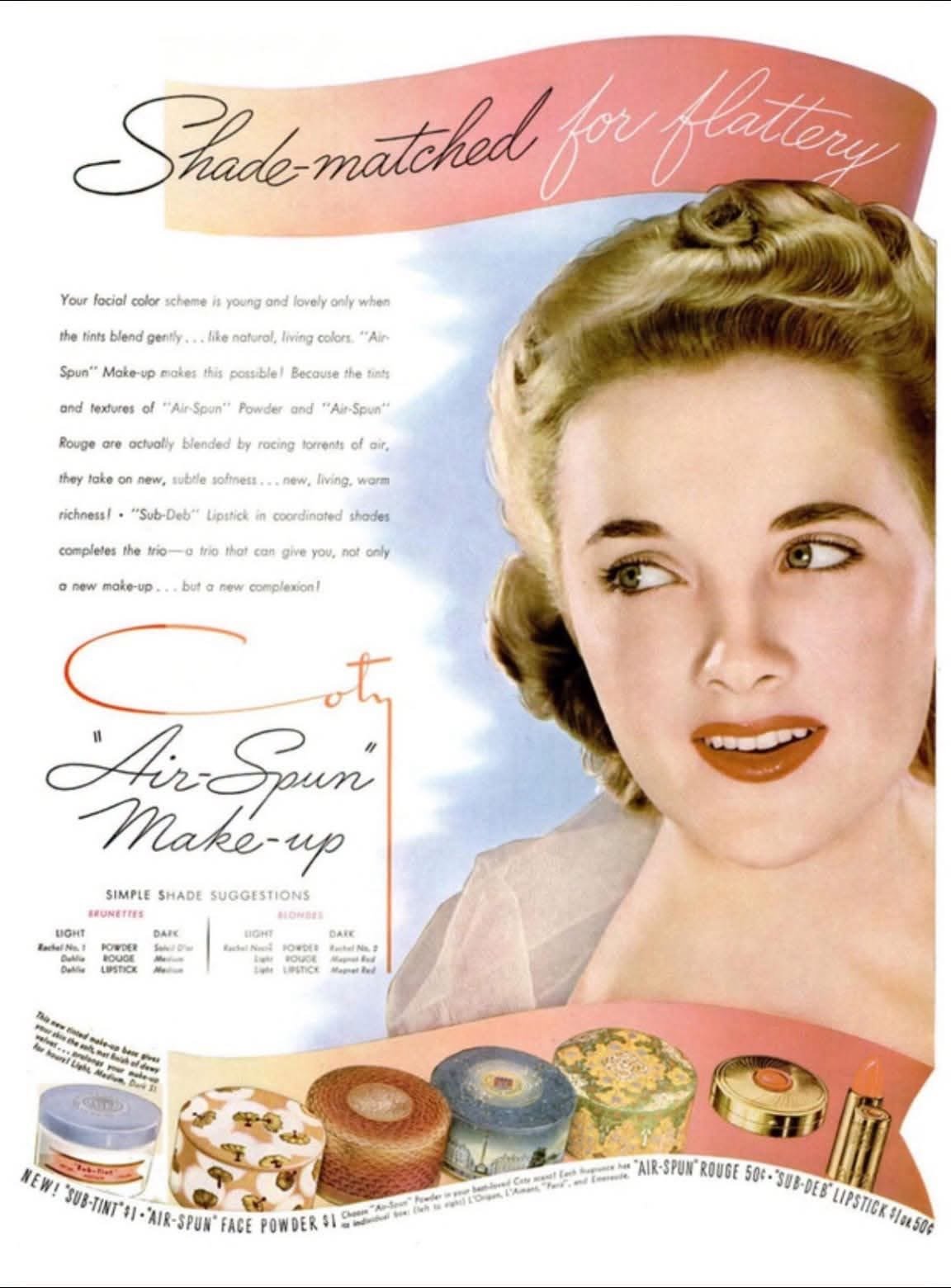
A softly styled face, coordinated colors, and three products designed to work together: powder, rouge, and lipstick. In this vintage Coty advertisement, the phrase “Shade-matched for flattery” captures a broader idea: makeup colors were being marketed not as isolated products, but as a coordinated facial color scheme. The advertisement also reveals how much simpler—and more limited—shade categorization was compared with today’s beauty market.
Read More
You receive an invitation you cannot—or simply do not wish to—accept. Do you need a detailed explanation to decline politely? Not necessarily. Good invitation etiquette is built around responding promptly, appreciating the invitation, communicating your decision clearly, and avoiding unnecessary over-explanation.
Read More
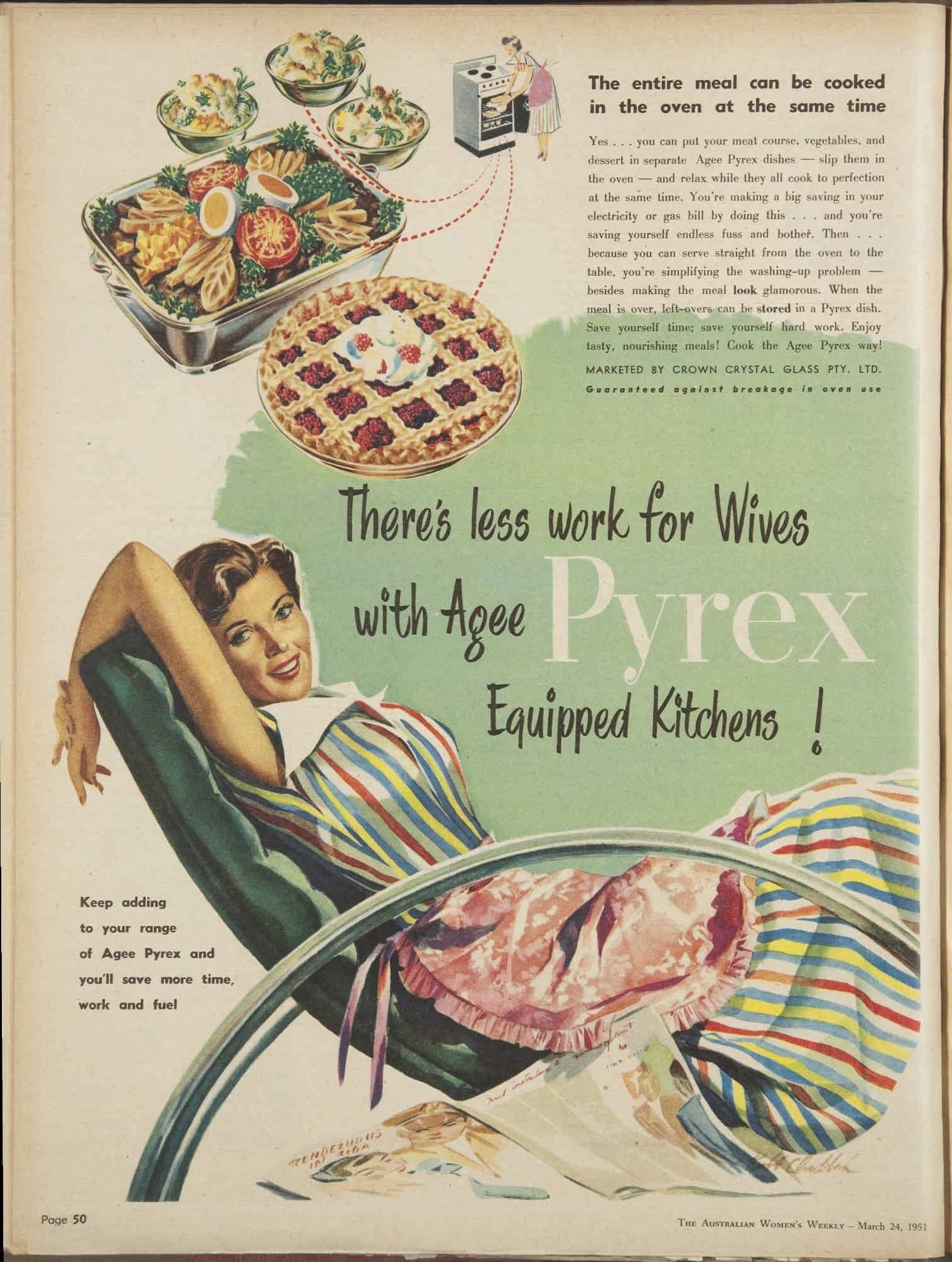
A woman relaxes away from the stove while an entire meal is shown cooking in glass ovenware. Published in The Australian Women’s Weekly on March 24, 1951, this Agee Pyrex advertisement makes its promise explicit: “There’s less work for wives.” But the page sells more than cookware. It sells fewer steps, less washing up, and more free time—while also revealing how domestic work and women’s roles were framed in mid-century advertising.
Read More
You may be well prepared and know exactly what you want to say—until an unexpected question, disagreement, or uncomfortable moment suddenly makes your speech faster and your thoughts harder to organize. That does not necessarily mean you have lost your confidence or knowledge. Stress can create genuine physiological and cognitive changes. Today’s blog explores how to communicate with greater clarity under pressure without pretending that nervousness does not exist.
Read More
A glass bowl overflowing with donuts, several varieties on display, soft colors, and a headline that says: “Take Two… they’re terrific!” This vintage Jane Parker Donuts advertisement shows how A&P turned an everyday bakery product into something designed to create immediate appetite.
Read More
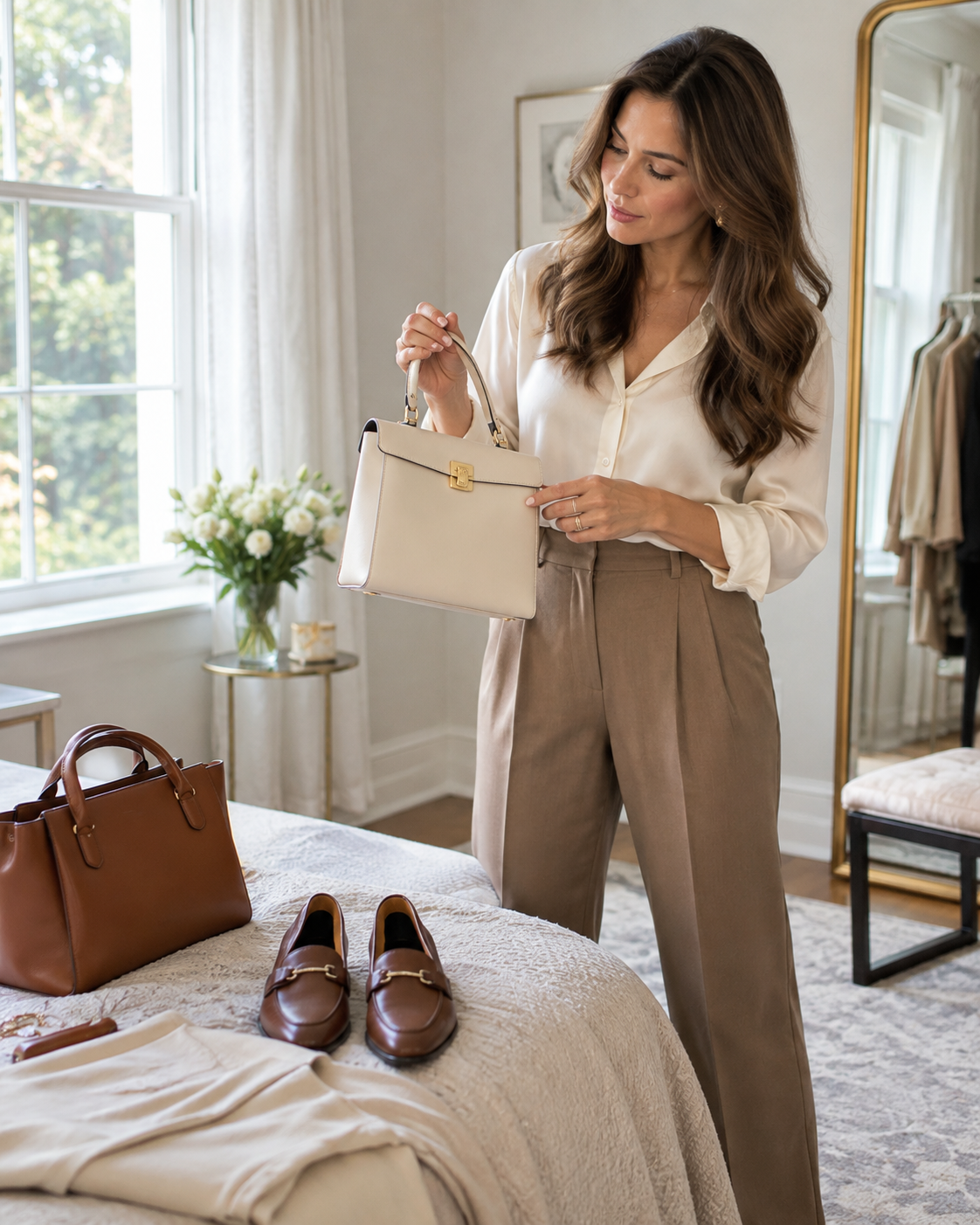
Does your handbag need to be the exact same color as your shoes for an outfit to look coordinated? Not necessarily. In clothing design, harmony does not depend on repeating the same color literally. It comes from relationships among color, texture, proportion, visual weight and level of formality across the entire ensemble. Today’s blog explores the difference between matching and coordination.
Read More
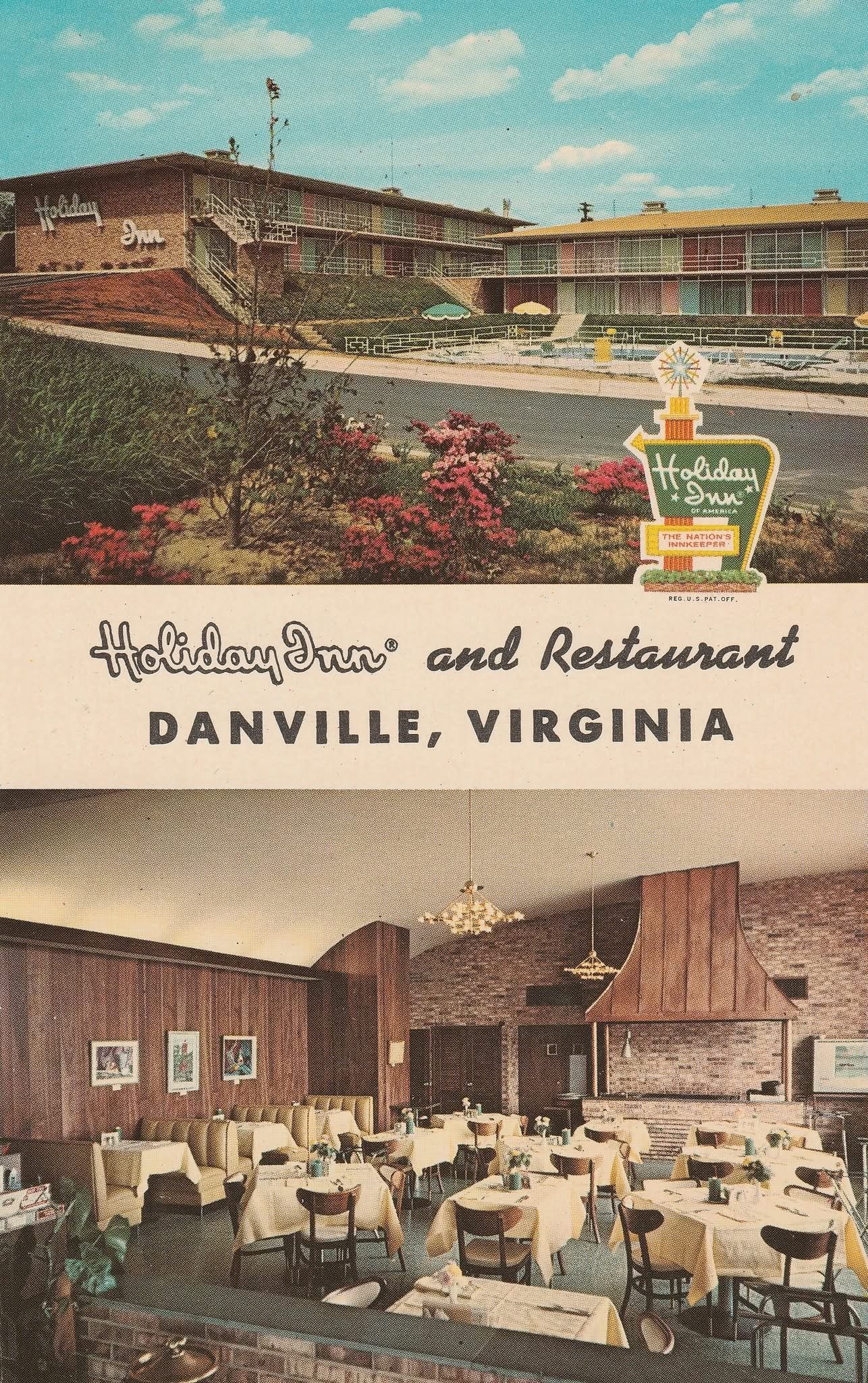
A swimming pool at the center, guest rooms around it, a full restaurant and a large sign visible from the road. This vintage postcard takes us to the Holiday Inn and Restaurant in Danville, Virginia, during an era when automobile travel was reshaping American hospitality and hotel chains were changing what travelers expected from an overnight stop. It was no longer simply about finding a room. It was increasingly about knowing what kind of experience might be waiting when you arrived.
Read More
“At my age, I thought I would have…” The thought may appear when someone younger succeeds professionally, a friend gets married, someone returns to university, or another person reaches a milestone we expected to reach at the same age. But where did that “should” come from? Today, we explore the psychological concept of the social clock, social comparison, and how to distinguish our own goals from timelines we may have absorbed from the world around us.
Read More
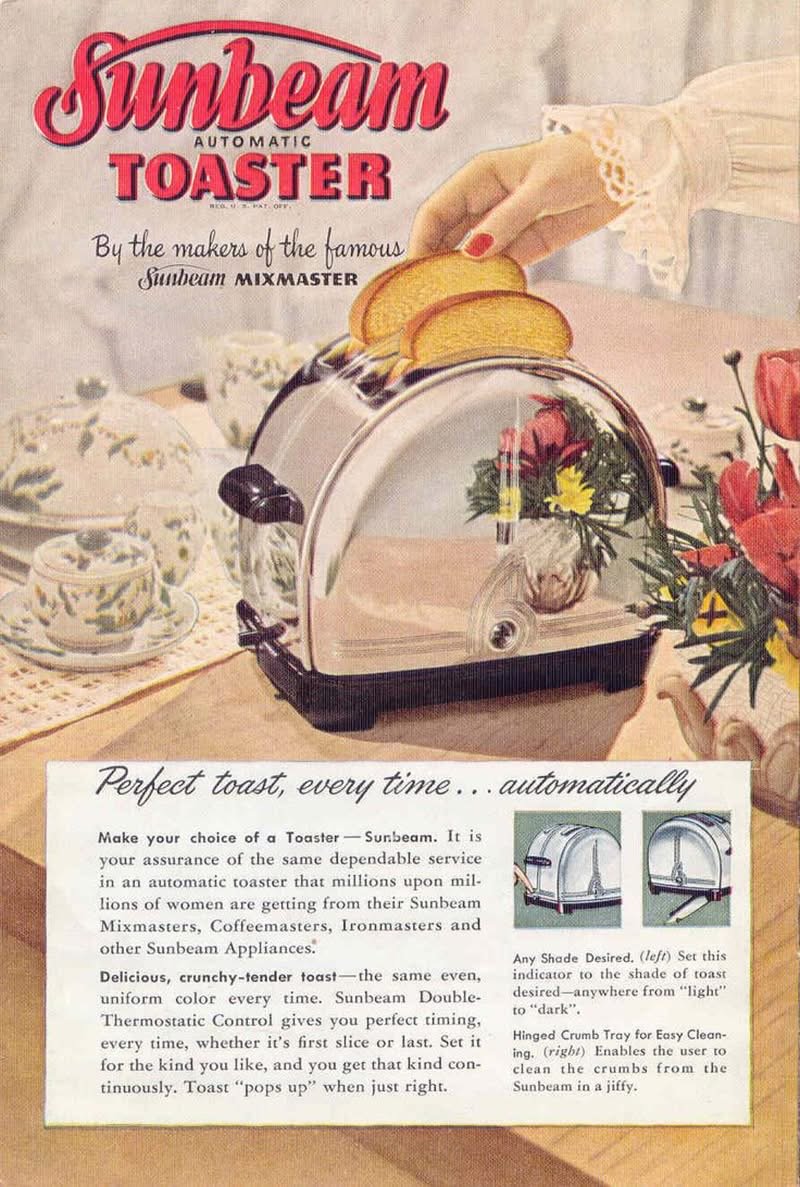
Two slices of bread, a gleaming chrome toaster, and a beautifully arranged breakfast table. Today, the scene seems ordinary. But late-1940s Sunbeam advertising presented automatic operation, consistent browning, adjustable toast shade, and easier cleaning as features of a more convenient modern kitchen. Today, we return to a vintage advertisement to explore how one small appliance helped turn “automatic” into a promise of the future.
Read More
Helping others can be a beautiful part of our relationships. But sometimes “yes” comes out before we have considered whether we actually have the time, energy, or desire to help. There is a difference between freely choosing to help and agreeing because you fear disappointing someone, upsetting them, or feeling guilty. So how can we tell the difference—and learn to say no without losing our kindness?
Read More
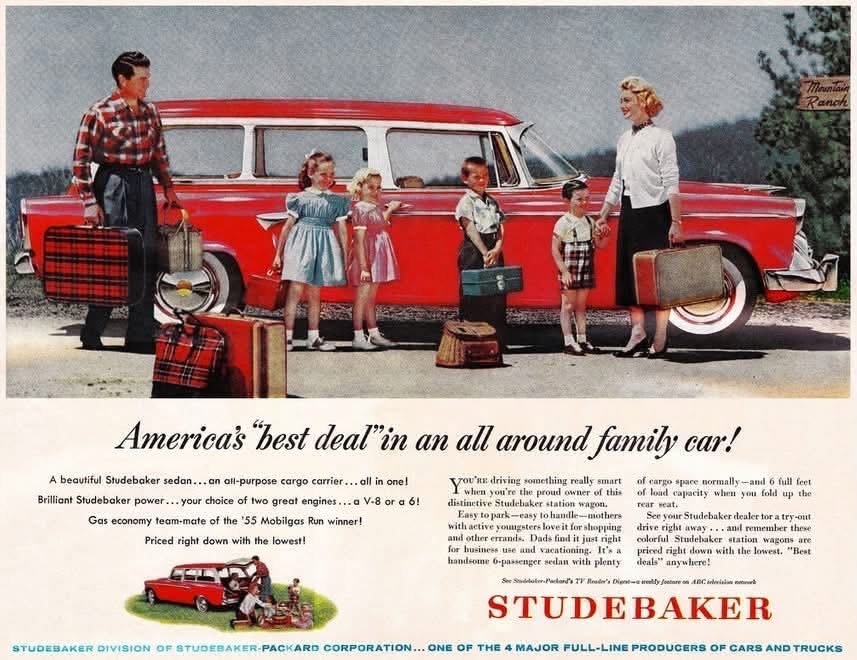
A family, children, travel cases, and a bright red Studebaker ready for the road… This 1955 advertisement wasn’t simply presenting a car. It was presenting the automobile as part of a mobile, active family life. Today, we return to the 1950s to look beyond the car itself and ask a more interesting question: What kind of life was the advertisement really selling?
Read More
Remote work can offer valuable flexibility, but when the office and home become the same place, the workday can quietly expand into personal time. An evening message, a meeting during a break, or the feeling that you should reply immediately simply because your phone is nearby can gradually create a culture of constant availability. So how can you establish healthy professional boundaries without appearing uncooperative or less committed?
Read More
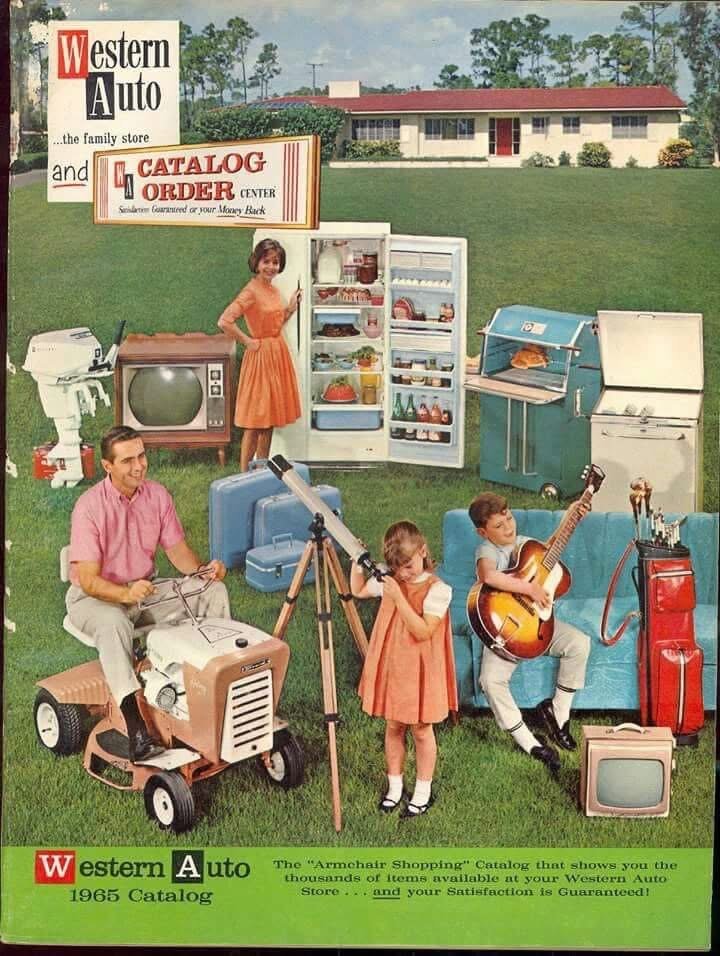
Long before online stores and shopping apps, families could sit at home, browse hundreds of pages filled with products, and order what they wanted through a catalog. This 1965 Western Auto advertisement places an extraordinary range of products in front of a single family home, capturing an earlier version of a familiar modern idea: shopping without having to see everything inside a physical store.
Read More
A product that feels perfect during one season may suddenly feel too heavy—or not moisturizing enough—when the weather changes. Heat, humidity, cold dry air, air conditioning, sun exposure, and swimming can all influence the needs of our skin and hair. The answer, however, isn’t to buy an entirely new routine every season. It’s learning what should stay consistent, what may need adjusting, and when a problem deserves more than a seasonal skincare change.
Read More
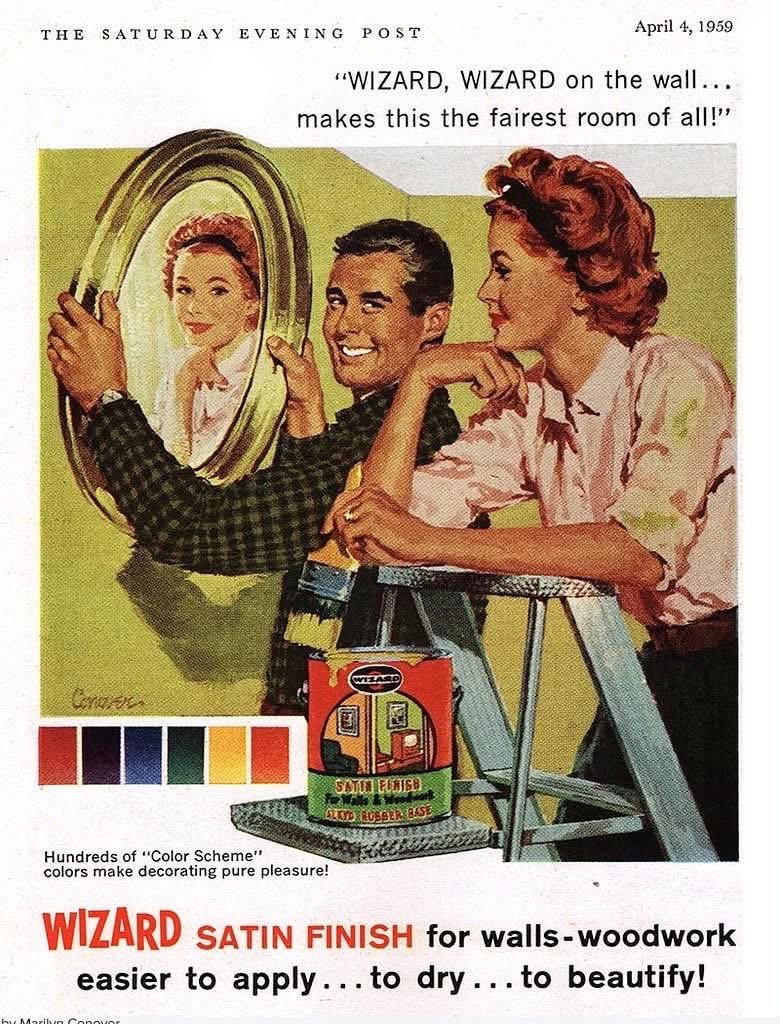
In an advertisement appearing in The Saturday Evening Post dated April 4, 1959, a family gathers around a newly placed mirror, with a ladder, a can of Wizard Satin Finish, and a small palette suggesting hundreds of decorating possibilities. The advertisement wasn’t simply selling paint. It was selling an appealing idea for its time: color and a little work at home could make a familiar room feel new again. What can this advertisement tell us about color, decorating, and home improvement more than six decades ago?
Read More
A question may come from genuine concern, curiosity, or good intentions and still place someone in a situation they would rather avoid. Privacy etiquette is not only about asking questions politely. It is also about knowing when a question may not be ours to ask at all, and how to show care without requiring someone to disclose information they prefer to keep private.
Read More
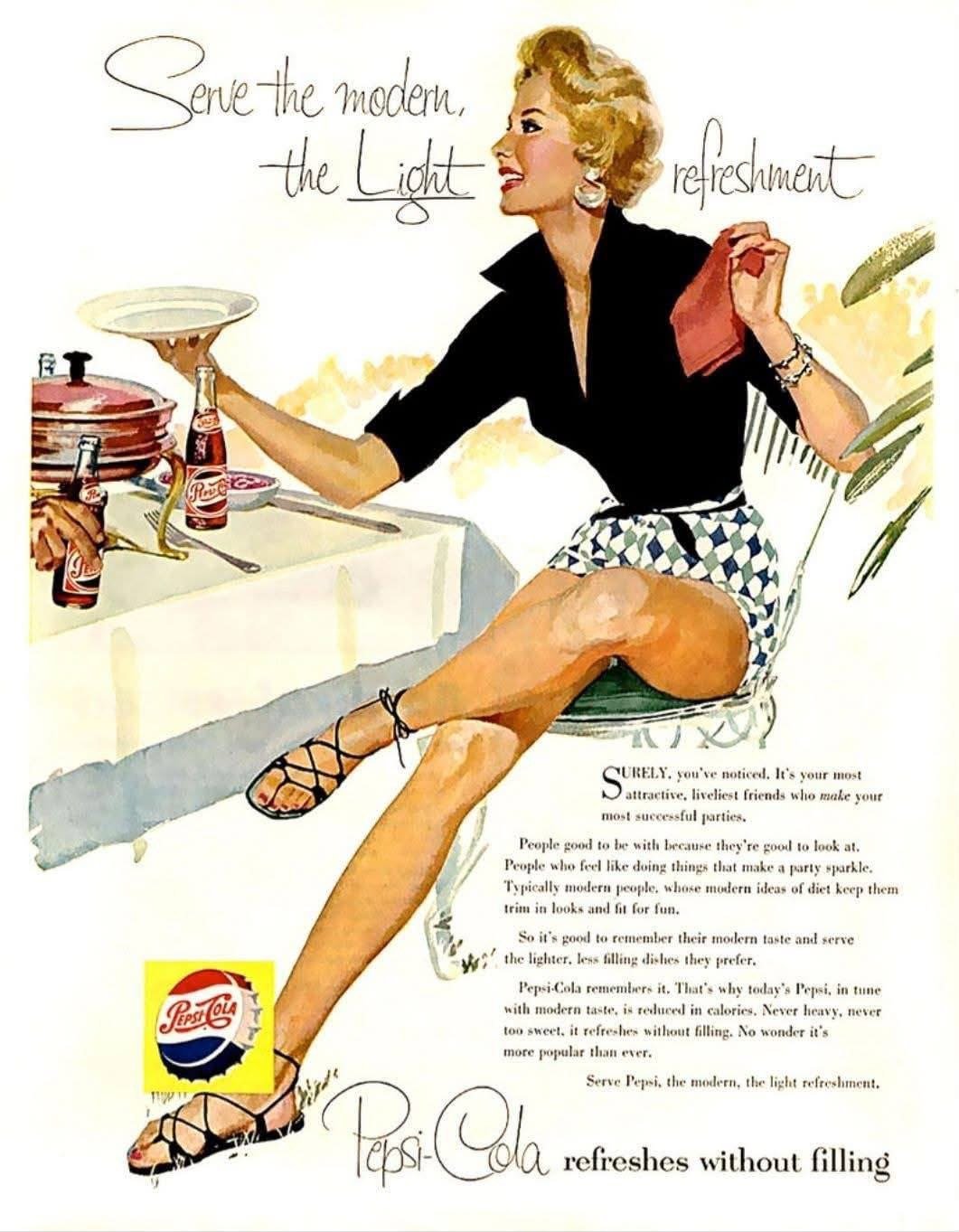
An elegantly dressed woman hosts her guests, Pepsi bottles sit on the table, and the advertisement announces: “Serve the modern, the Light refreshment.” This 1956 advertisement wasn’t simply presenting a soft drink. It connected Pepsi with a broader image of modernity, slimness, entertaining, lighter eating, and an active social life. What, then, did being “modern” look like in advertising seventy years ago?
Read More
Short Description Your wardrobe may be full, yet getting dressed can still feel surprisingly difficult. The problem isn’t always how many clothes you own. It may be how well those pieces work together, whether they fit your current lifestyle, and whether you actually have the pieces you need. So how can a full wardrobe become a more functional one?
Read More
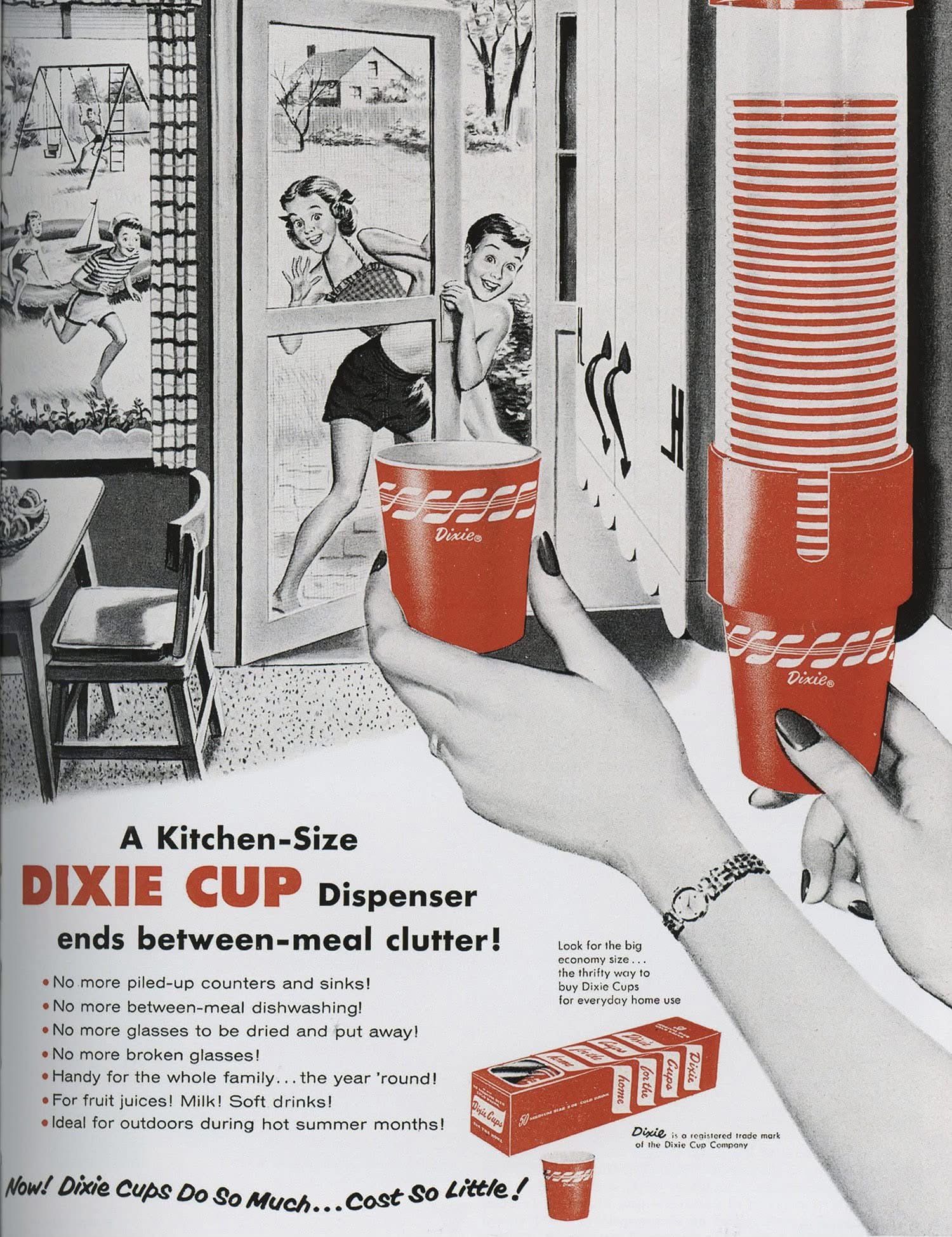
In this vintage Dixie Cups advertisement, the paper cup wasn’t presented simply as something to drink from. It was promoted as a solution to an everyday household problem: fewer glasses in the sink, less washing, less drying, and less putting away. The advertisement offers a fascinating glimpse into the changing meaning of convenience at home.
Read More
You may see yourself as calm while someone else experiences you as distant. You may intend to be assertive while your delivery comes across as harsh. Your image is shaped not only by your intentions, but also by the signals other people observe and interpret. This article explores the gap between your intended image and the image others may perceive, with practical ways to evaluate and refine your presence
Read More
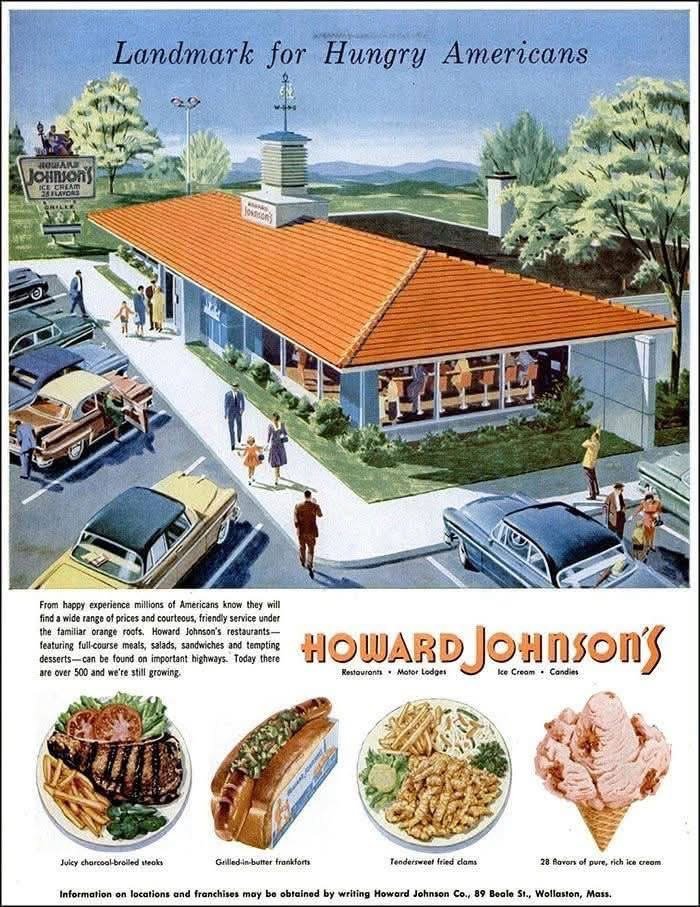
In this 1951 Howard Johnson’s advertisement, an orange-roofed restaurant sits at the center of a busy roadside scene surrounded by cars, travelers, families, and familiar foods. Yet the advertisement documents more than a restaurant. It captures an era when the automobile, the highway, the restaurant, and the journey were becoming part of one experience—and when recognizable visual identity helped travelers know where to stop.
Read More
Honesty matters in relationships, but honesty does not mean expressing every emotion immediately or saying the first thing that comes to mind. Sometimes we need to speak; sometimes we need to understand what we are feeling first; and sometimes postponing a conversation is more mature than having it in the middle of anger. This article explores the difference between healthy expression and suppression, honesty and emotional dumping, and how choosing the right words, timing, and approach can help us communicate feelings without turning them into harm.
Read More
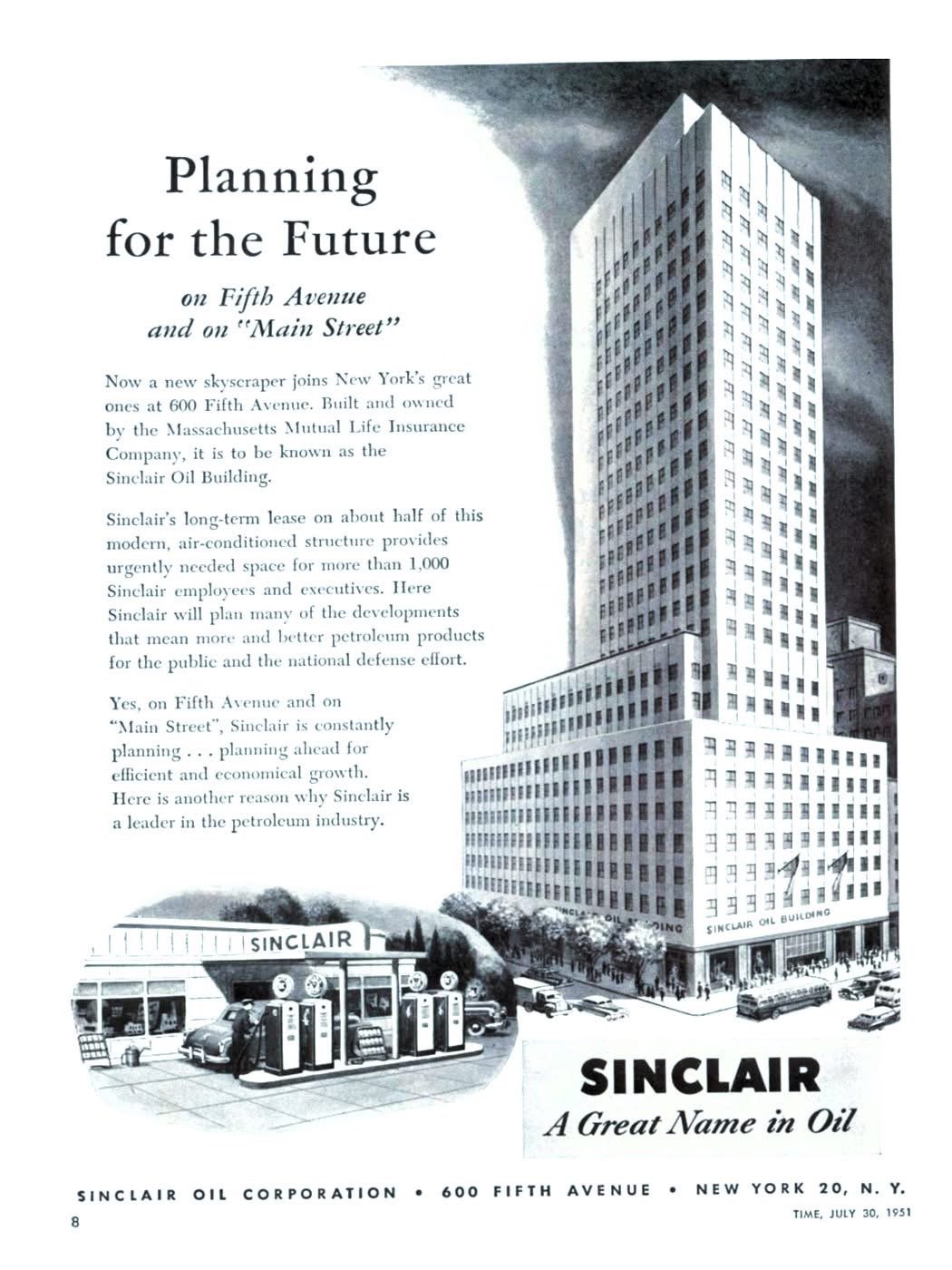
Published in TIME on July 30, 1951, this Sinclair Oil advertisement presented its offices at 600 Fifth Avenue in New York under the headline “Planning for the Future.” A skyscraper, air-conditioned offices, and space for more than a thousand employees and executives represented a powerful image of modernity and progress. So what did “the future” look like 75 years ago?
Read More
Not every decision is a choice between right and wrong. Sometimes both options have benefits, both have drawbacks, and each requires giving something up. In those moments, the goal is not to find a perfect choice, but to understand which option better fits your priorities and which trade-off you can realistically accept.
Read More
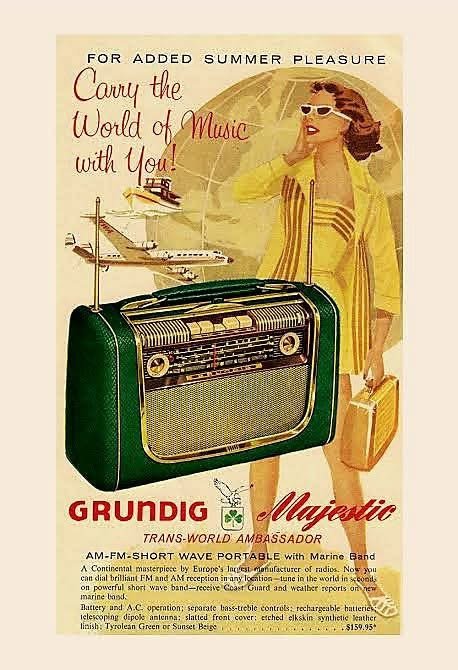
In a vintage advertisement from the 1950s, a stylish woman appears ready to travel, with airplanes and ships behind her and a portable Grundig Majestic radio nearby. The advertisement wasn’t simply selling a listening device. It was selling an exciting idea for its time: the ability to take music—and a connection to the wider world—with you.
Read More
You Made a Mistake at Work… What Should You Do Now? How to Handle a Mistake Without Damaging Your Professional Image Short Description Mistakes can happen at work regardless of experience or attention to detail. What happens after the mistake is discovered, however, can influence your professional image as much as the mistake itself. Should you tell your manager immediately? What should you say? When does explaining the cause become making excuses? And what if the mistake affects a client, colleague, deadline, or important decision? This article explores how to respond to workplace mistakes calmly and responsibly—from the moment you discover them to correcting them and reducing the likelihood that they happen again.
Read More
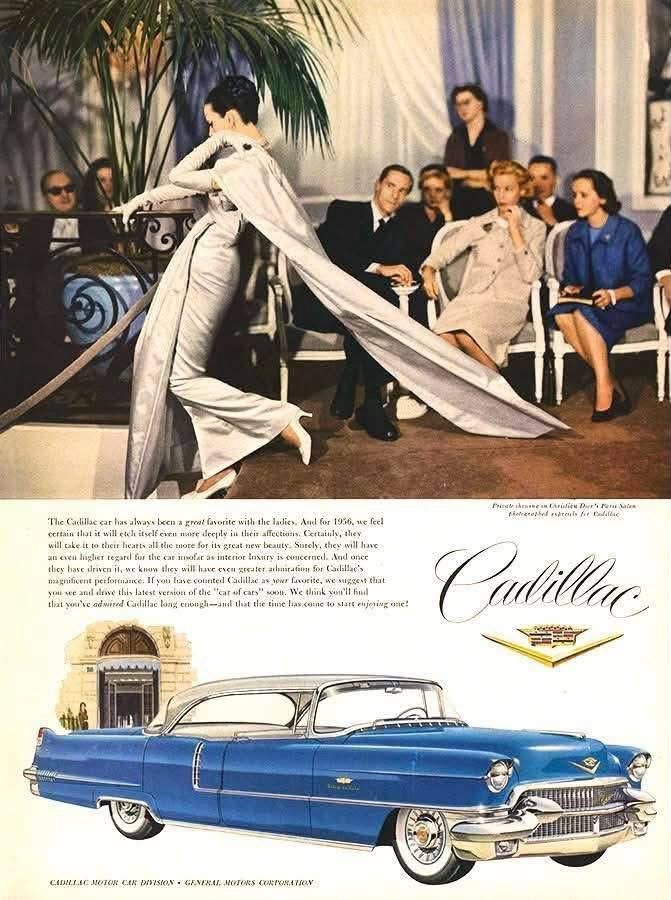
Cadillac 1956… When the Automobile Met the World of Haute Couture Short Description A fashion model walks before an elegantly dressed audience in a dramatic floor-length gown, while a gleaming blue Cadillac occupies the lower half of the advertisement. The combination was no accident. In this 1956 Cadillac advertisement, fashion, beauty, and taste were used to speak directly to women and to present the automobile as something more than transportation. This article looks at the advertisement as a document of its time: what was it saying to women, why did it borrow the language of fashion, and how did the automobile become a symbol of elegance, status, and lifestyle in 1950s advertising?
Read More
The Care You Don’t See… But Notice in Every Detail Short Description Not every part of personal care is designed to be seen. Some habits happen quietly in the background, yet their results are noticeable: clean hair, fresh breath, well-kept clothes and shoes, tidy nails, clean personal tools, and a subtle, pleasant scent. In this article, we explore the often-overlooked details of personal care and hygiene that contribute to how comfortable, fresh, and well cared for you feel and appear.
Read More
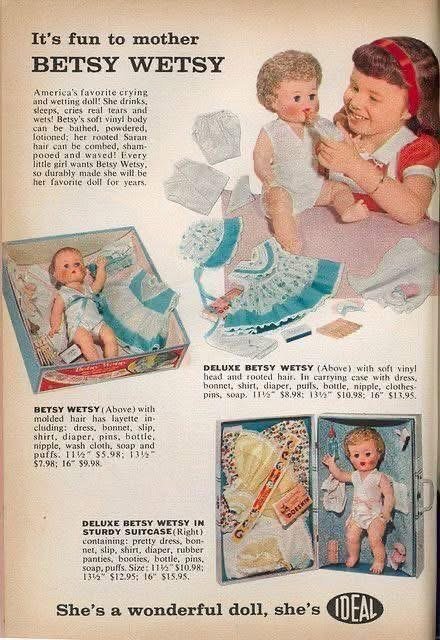
Betsy Wetsy could drink from a bottle and then wet her diaper, and she was sold with clothing, diapers, and miniature baby-care accessories. She became one of the recognizable baby dolls of mid-20th-century America, but the advertisement tells a story larger than the toy itself. Through the phrase “It’s fun to mother Betsy Wetsy,” we can explore how caring for a baby doll became an interactive form of pretend play—and how toy advertising simultaneously reflected contemporary ideas about motherhood, caregiving, and girls’ social roles.
Read More
The Etiquette of Disagreement… How to Express Your Opinion Without Turning a Conversation Into Conflict Short Description Disagreement is a natural part of relationships and conversations, but the way we express it can determine whether a discussion leads to greater understanding or turns into personal conflict. In this article, we explore the etiquette of disagreement in practical terms—from choosing respectful language and managing tone of voice to handling interruptions, raised voices, and knowing when a discussion is worth continuing and when stepping away is the wiser and more respectful choice.
Read More
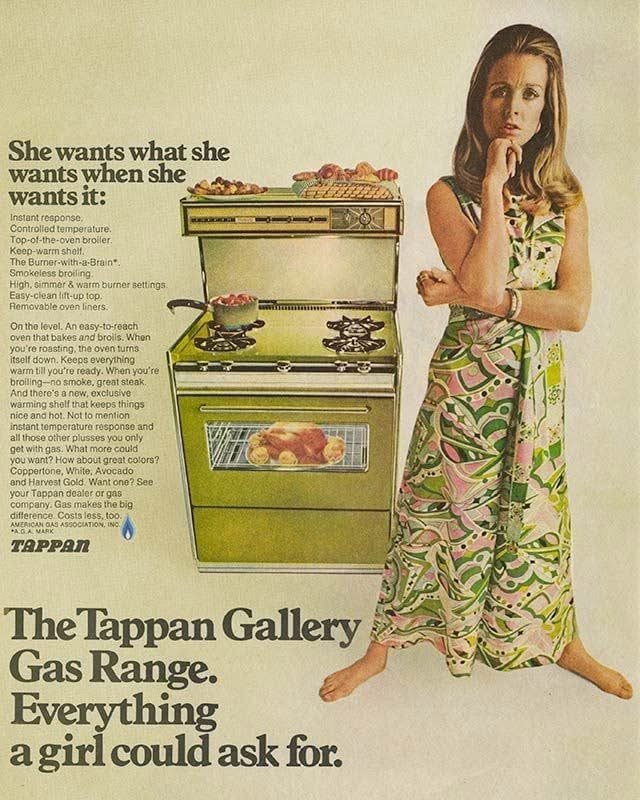
The Kitchen of 1969… When Home Technology Was Sold as “Everything a Girl Could Ask For” Short Description In a 1969 advertisement, a young woman stands beside the Tappan Gallery Gas Range, while the copy promises easier cooking, temperature control, convenient cleaning, and greater comfort in the kitchen. Yet what stands out most today is not simply the appliance but the line chosen to sell it: “Everything a girl could ask for.” This article takes us back to the kitchen of the late 1960s to explore what counted as advanced household technology and what the advertisement’s colors, design, fashion, and language reveal about ideas of women, home, and modern life at the time.
Read More
A vintage advertisement from the 1950s takes us back to a household detail that may seem simple today but represented a practical idea at the time: an ironing board designed to allow ironing while seated. Marketed as the Rid-Jid Knee Room, the board was promoted as a more comfortable way to complete a familiar household task. From its offset-leg design to the playful image of a seated woman beside Santa Claus, the advertisement offers a glimpse into how physical comfort was becoming part of household-product design and marketing.
Read More
A memorable presence does not necessarily belong to the loudest, most talkative, or most attention-grabbing person in the room. Sometimes we remember someone because they listened carefully, communicated clearly, gave us space in the conversation, and made the interaction feel comfortable and respectful. In this article, we explore practical details that can influence how we show up in conversations—from eye contact, listening, and vocal delivery to remembering names, asking thoughtful questions, and ending an interaction well—with a simple exercise you can try in your next meeting.
Read More
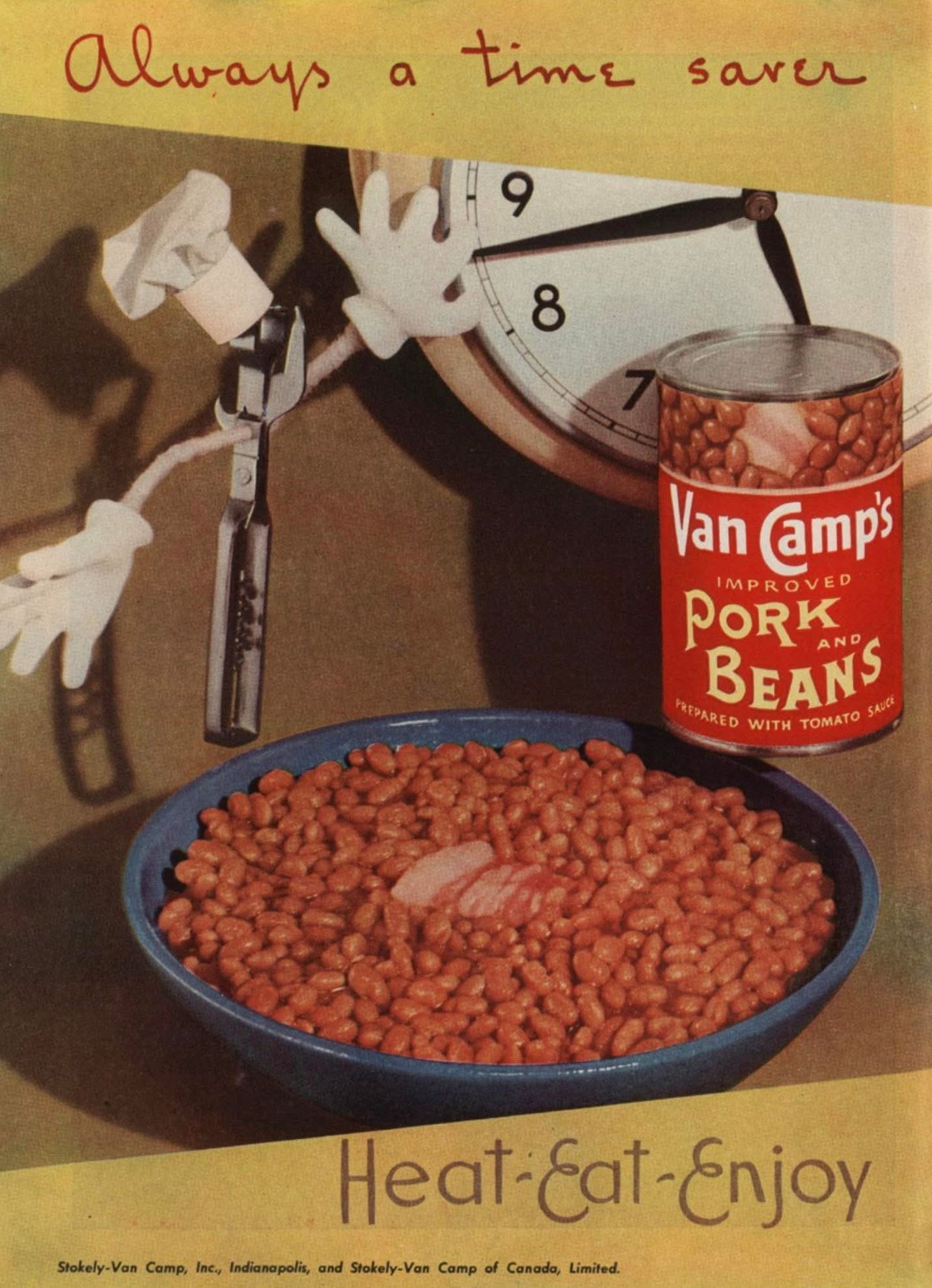
A vintage advertisement for Van Camp’s Pork and Beans takes us back to a time when canned food was increasingly promoted as a practical way to save time in the kitchen. With the phrases “Always a time saver” and “Heat–Eat–Enjoy,” the advertisement reduced meal preparation to a few simple steps: open the can, heat the food, and serve. Behind that simple message, however, lies a larger story about changing domestic life, the rise of convenience foods, and the moment when saving time itself became part of the product being sold.
Read More
Some things genuinely deserve our attention—a decision, a responsibility, a problem that needs solving, or an uncertain next step. But something being important does not mean we have to spend the entire day worrying about it. In this article, we explore the difference between thoughtful attention that leads to action and worry that keeps us circling the same thoughts, learning to do what we can while allowing time to handle what cannot be resolved today.
Read More
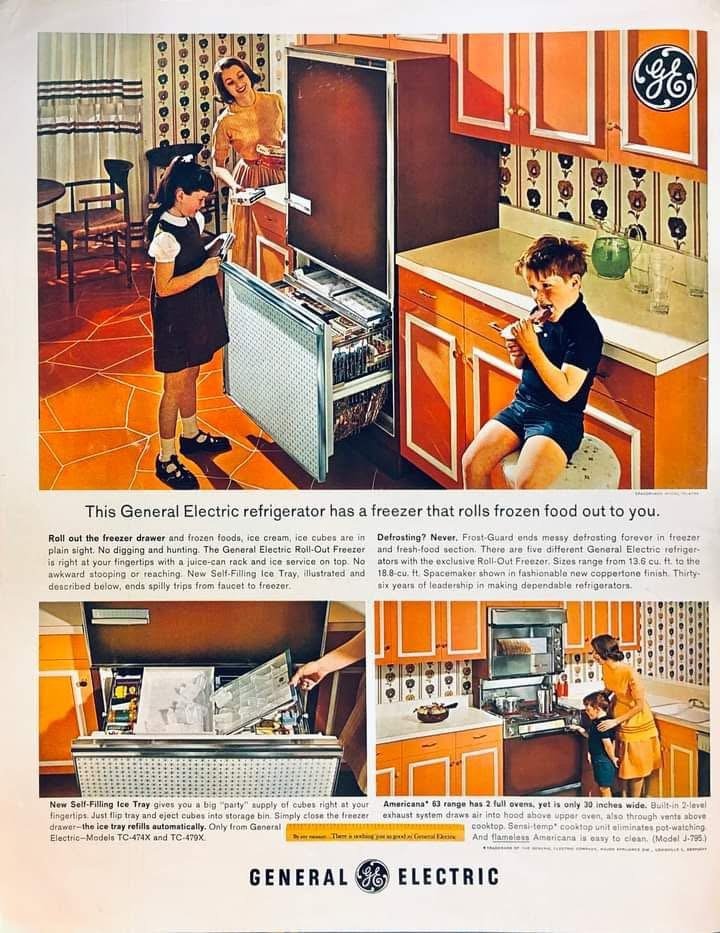
A vintage General Electric advertisement takes us inside an American kitchen of the early 1960s, when the modern refrigerator represented far more than food storage. A roll-out freezer, a self-filling ice tray, and features designed to simplify everyday tasks reflected a new vision of comfort and modern living.
Read More
An outfit can be made of very simple pieces and still look polished at first glance. The secret is often not the number or price of the pieces, but a combination of thoughtful details: proper fit, balanced proportions, harmonious colors, well-maintained garments, and carefully chosen shoes, bags, and accessories. In this article, we explore the details that make a simple outfit look more refined and cohesive—and how small adjustments can noticeably improve the overall result.
Read More
A safe relationship is not a relationship without disagreements or difficult moments. It is one in which you can express your thoughts and feelings without fear and where respect remains present even during conflict. In this article, we explore some of the everyday elements that create safety in relationships—from listening and honest communication to boundaries, accountability, and healthy disagreement—while allowing each person to remain themselves.
Read More
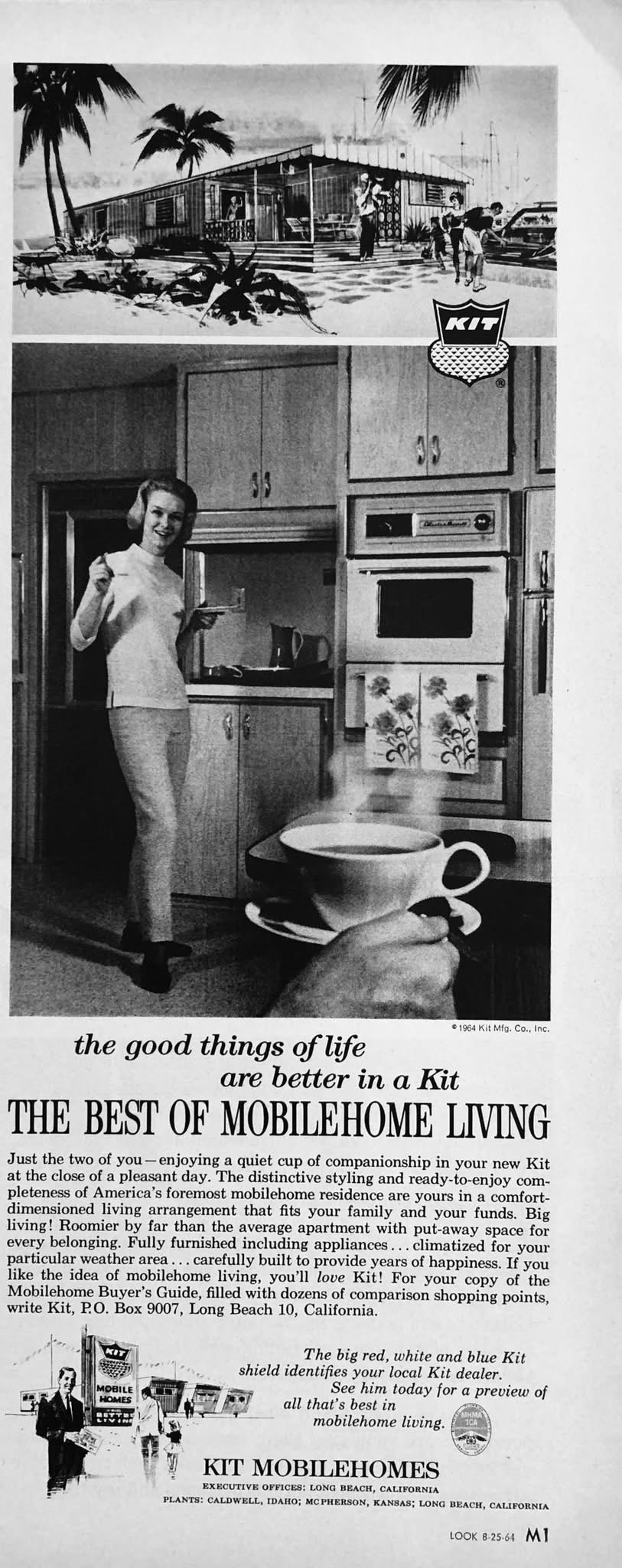
A 1964 American advertisement for Kit takes us into the world of mobile-home living in the 1960s, when advertising offered more than a home—it presented an entire vision of life inside it. From the fitted kitchen and household appliances to family living and everyday comfort, this vintage page reveals how ideas of modern home life were presented more than sixty years ago.
Read More
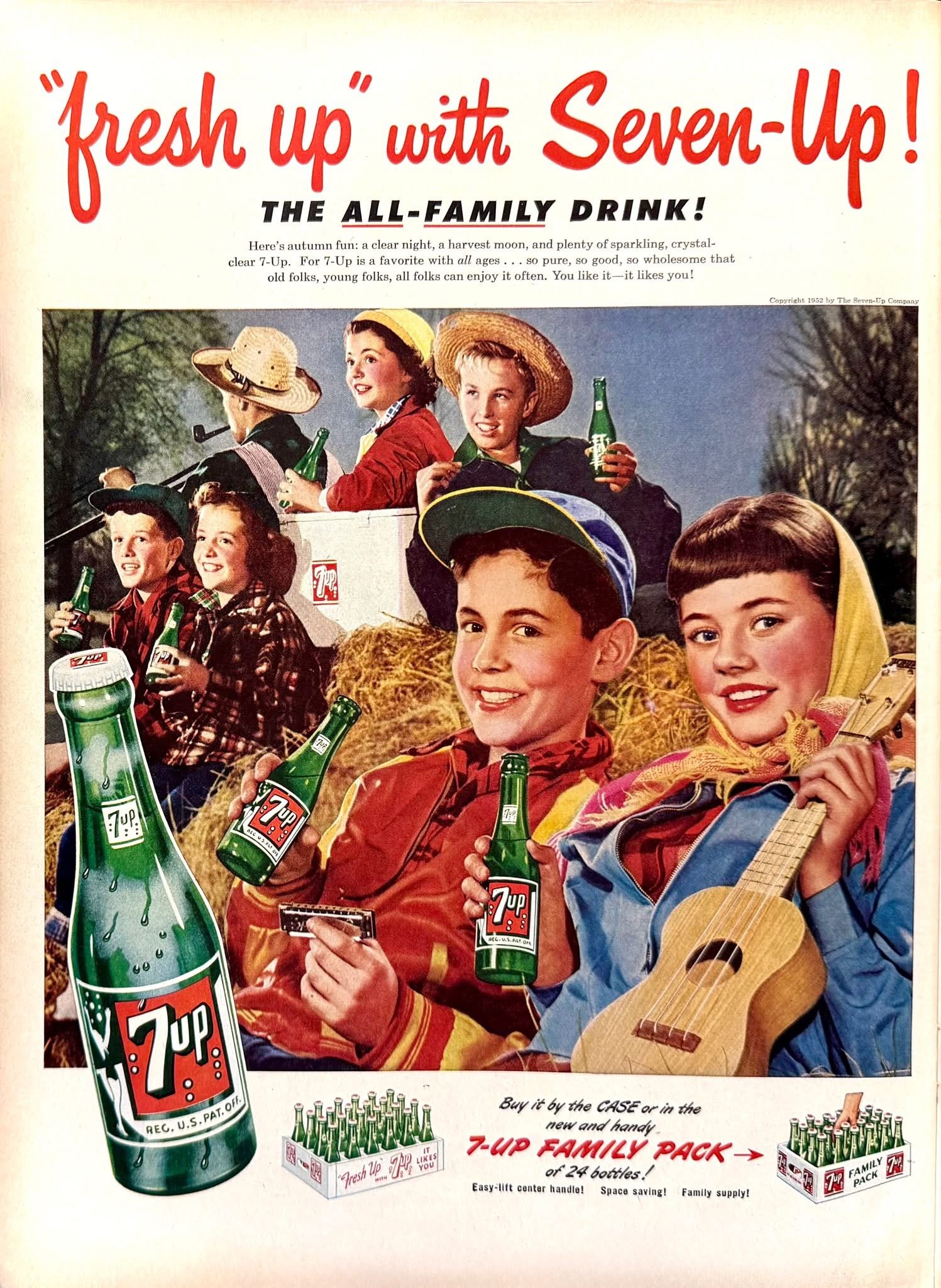
This colorful 1952 7UP advertisement takes us back to an era when advertising did more than simply display a product—it created an entire scene around it. Children and young people, an autumn setting, music, outdoor fun, and bottles of 7UP come together under the message “The All-Family Drink.” The advertisement offers a fascinating glimpse into how brands connected products with family life, leisure, and shared moments.
Read More
A résumé can present your qualifications, experience, and training, but it cannot always show how you actually work. Some skills become visible through the way you communicate, manage time, solve problems, respond to pressure and feedback, and work with others. In this article, we explore professional skills that may not take up much space on a résumé but can strongly influence your professional image, performance, and growth.
Read More
Beauty care does not begin with having more products. It begins with understanding what your skin, hair, and body actually need and building simple, suitable habits you can maintain. Beauty and personal care go beyond makeup; they include personal hygiene, daily care, thoughtful choices, and attention to the small details that complete your overall image.
Read More
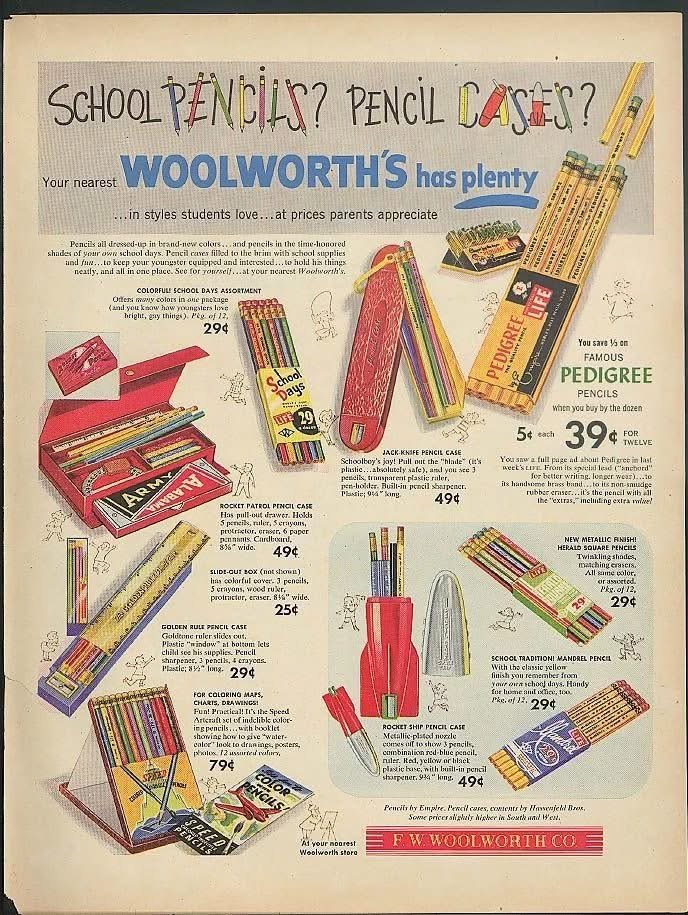
A vintage Woolworth’s advertisement published in LIFE magazine in 1953 takes us back more than seventy years to the back-to-school season. From wooden pencils and pencil cases to colored pencils and prices that look striking today, one advertisement gives us a small glimpse into school life and back-to-school shopping in another era.
Read More
Etiquette is not limited to formal occasions or table manners. It appears in the smallest details of our everyday interactions. From the way we greet and listen to others to respecting time, privacy, and personal boundaries, small actions can reflect a great deal of grace and respect.
Read More
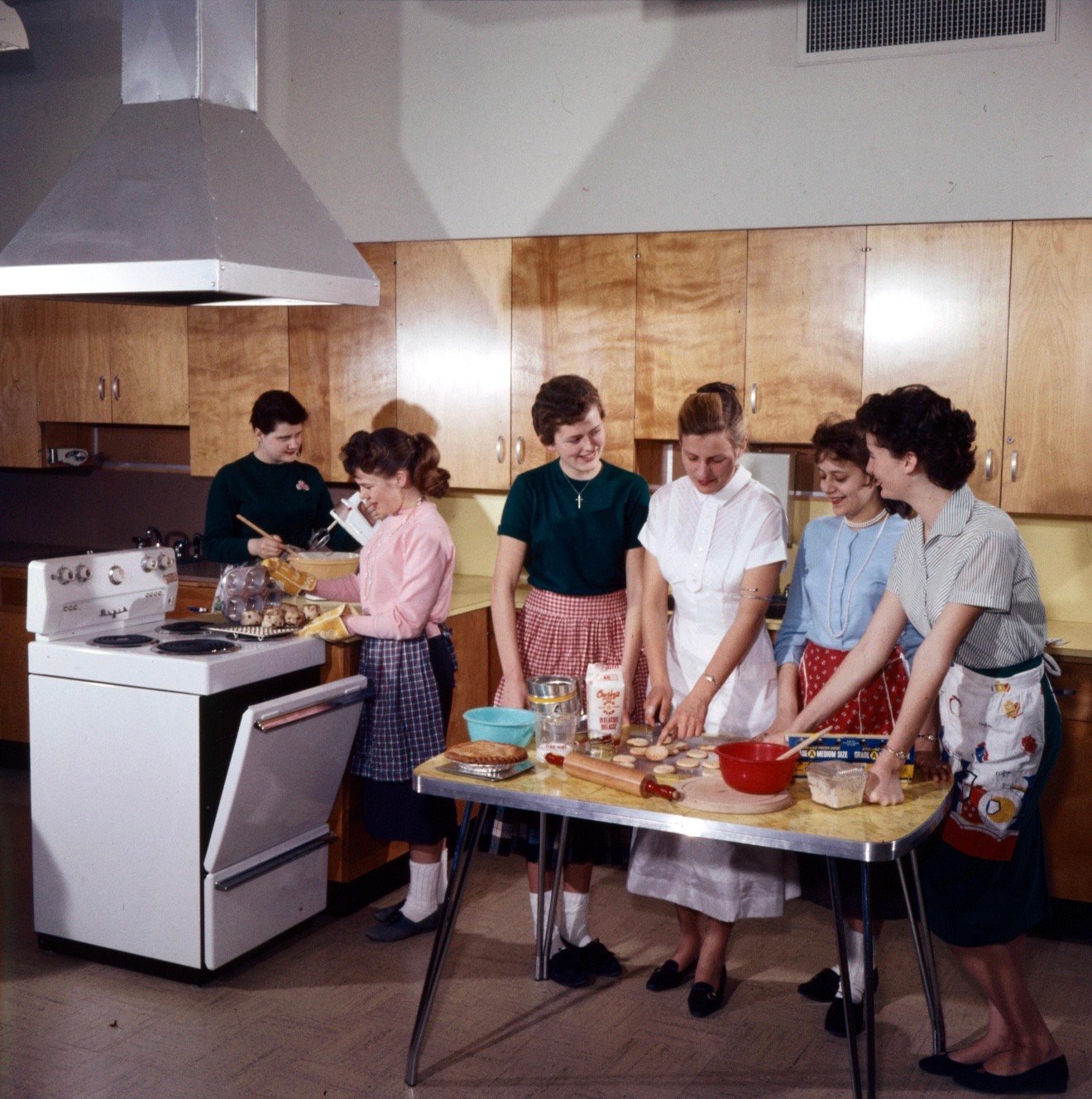
A vintage photograph of a home economics class takes us back to a time when skills such as food preparation, sewing, and household management were taught in the classroom. What did students actually learn in these classes, and what can they tell us about education, everyday life, and social roles of their time?
Read More
Your presence is shaped by more than what you wear. The way you stand and move, your facial expressions, eye contact, tone of voice, and the way you listen and interact all contribute to how you present yourself to others.
Read More
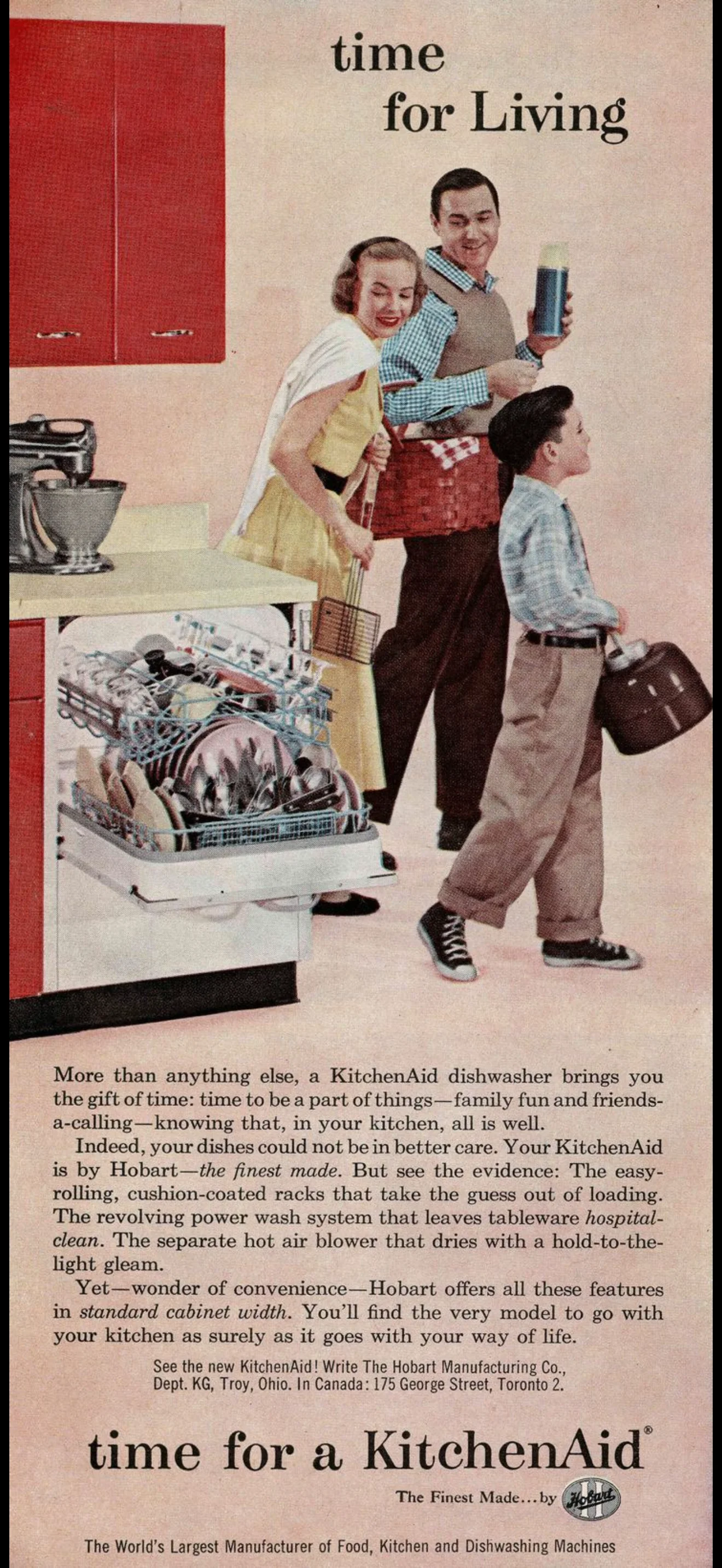
This image takes us back to the kitchens of the 1950s, when the dishwasher was presented as more than just a household appliance. It was associated with saving time and effort and having more time for life. Through this vintage KitchenAid advertisement, we can also discover details of kitchen design, fashion, and everyday life from that era.
Read More
Not everything that looks beautiful on another woman will create the same effect on you. True style is not about copying an outfit, but understanding its elements and adapting them to your body, coloring, personality, and lifestyle.
Read More
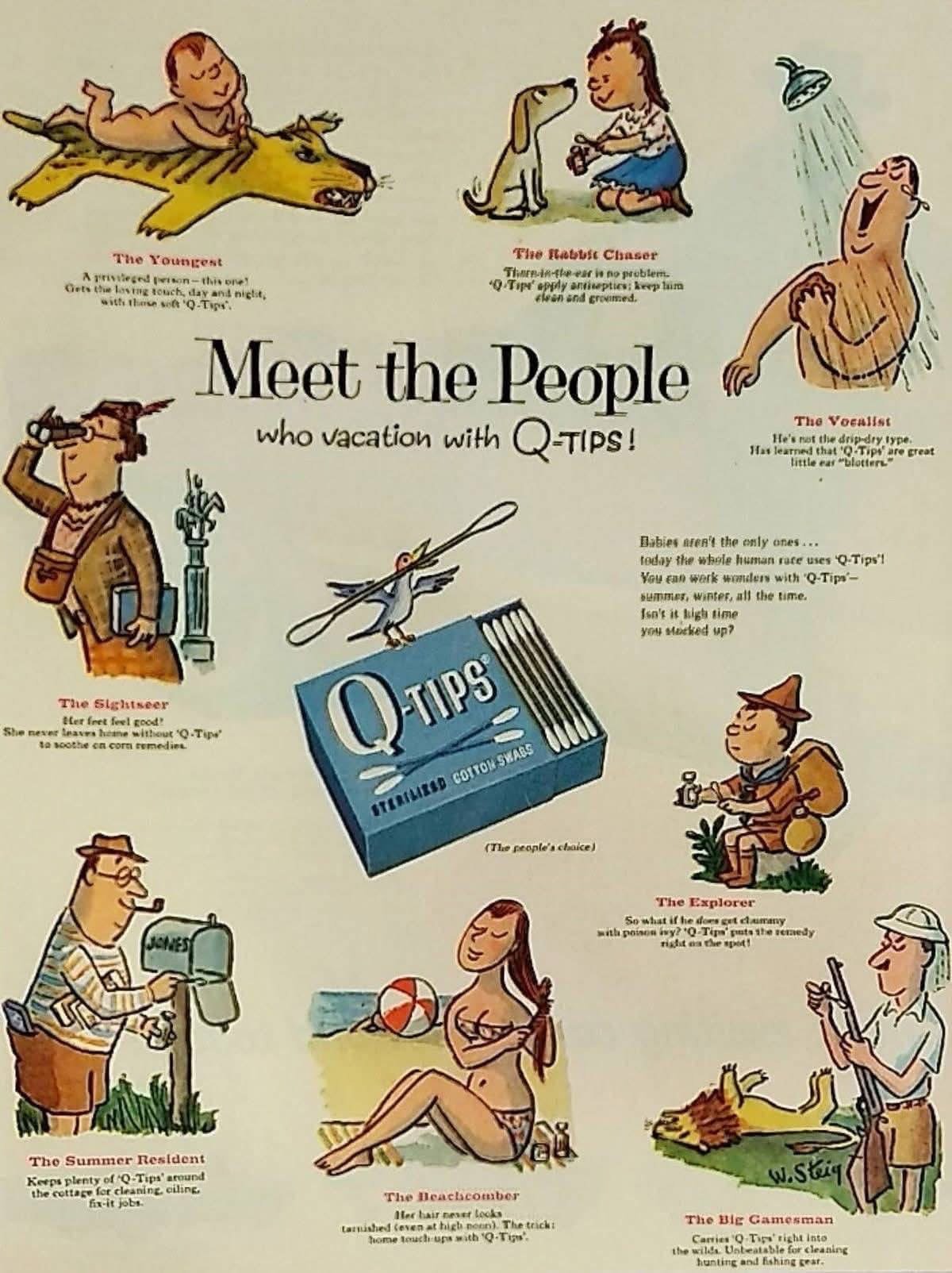
The story of -tips began in 1923 with a simple observation at home, eventually turning cotton swabs into a familiar product across generations. A small everyday item with a fascinating history spanning more than a century.
Read More
Strength does not mean carrying everything in silence or being okay all the time. Sometimes, resting, asking for support, and acknowledging that you are tired are among the most mature and compassionate choices you can make for yourself.
Read More