5 min read
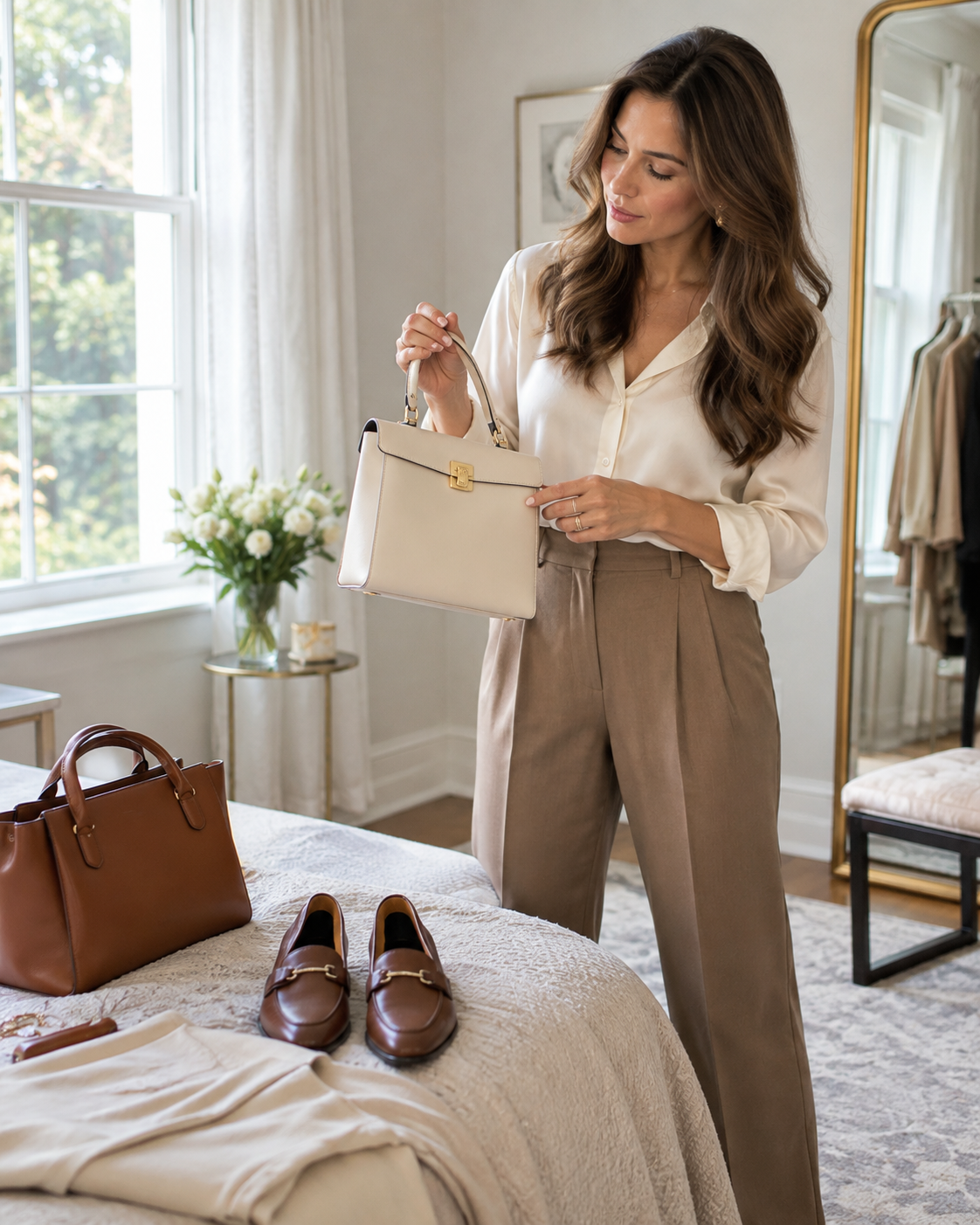
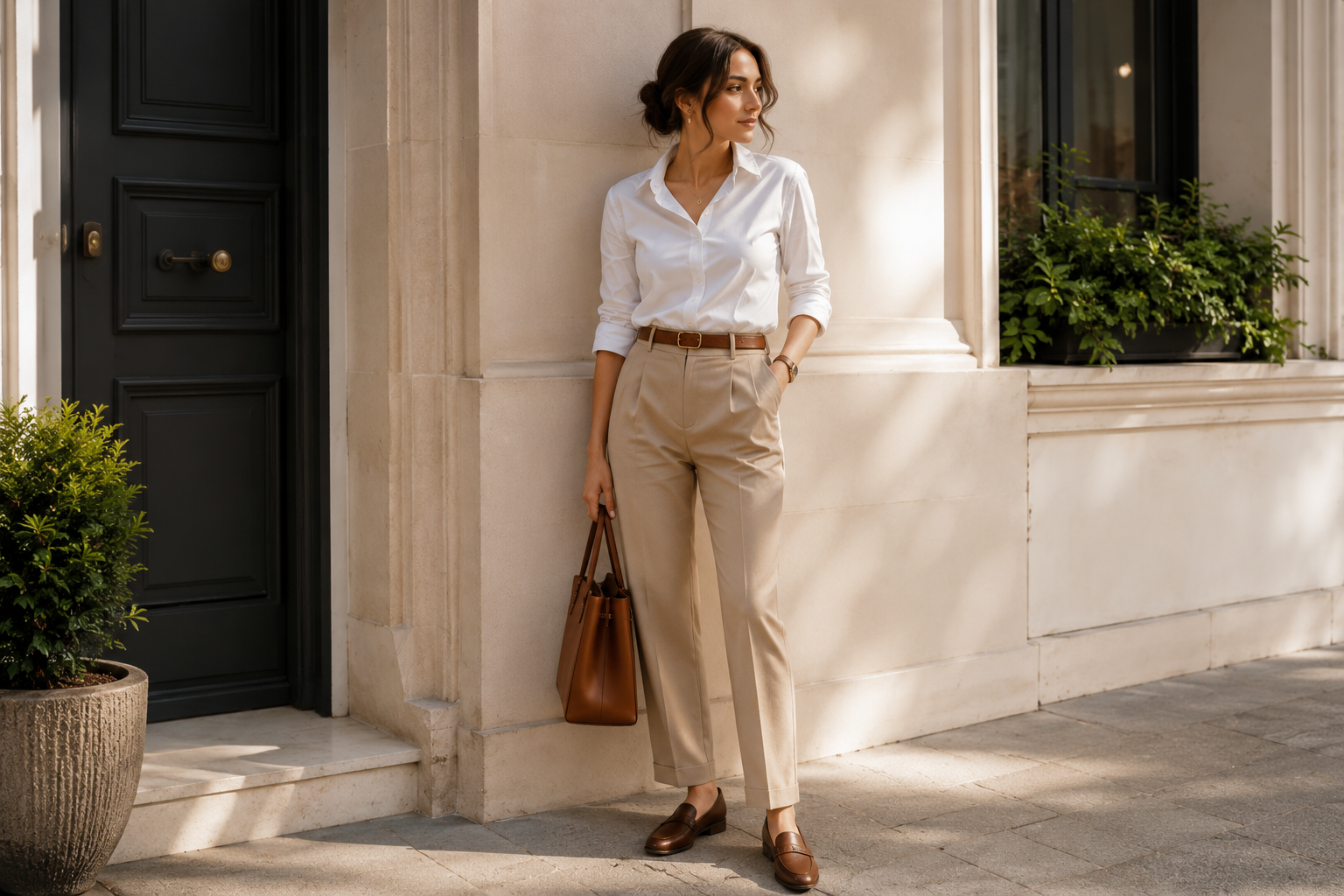
Does your handbag need to be the exact same color as your shoes for an outfit to look coordinated? Not necessarily. In clothing design, harmony does not depend on repeating the same color literally. It comes from relationships among color, texture, proportion, visual weight and level of formality across the entire ensemble. Today’s blog explores the difference between matching and coordination.
Article Content
Matching Is Not the Same as Coordinating
Matching repeats the same or a very similar element.
Coordination creates a relationship among different elements so they work together visually.
Educational material from the University of Kentucky Cooperative Extension explains that accessories may contrast or coordinate, but they should complement one another, the wearer and the outfit.
That means brown shoes do not automatically require a brown handbag.
Cream, tan, burgundy or another deliberately selected color may work beautifully depending on the entire outfit.
The better question is:
“Do these pieces belong to the same visual story?”
Color Is Only One Connection
Color harmony may come from relationships in color family, value and intensity, while repeating a color can also help unify an outfit.
A bag can therefore complement shoes without copying their exact shade.
Difference is not automatically disharmony.
It becomes problematic when it appears unrelated or accidental.
Texture Matters Too
Two accessories can share exactly the same color yet feel disconnected because their textures or visual character are very different.
Texture influences unity, while intentional contrasts can introduce variety.
Consider not only color but also finish, material, visual weight and whether the pieces feel casual, polished or formal.
Formality Creates Another Relationship
Utah State University Extension describes harmony as visual unity created when the elements and principles of design work together within an ensemble. Accessories can also contribute to visual balance.
Sometimes, therefore, the strongest connection between a handbag and a shoe is not matching color.
It is that they speak the same level of formality.
A Different Bag Can Become the Focal Point
The Fashion Institute of Technology describes emphasis as creating a center of interest, which may be achieved through color, contrast, shape or detail.
Imagine black trousers, an ivory blouse and black shoes.
A deep red or green handbag can become an intentional focal point.
There is no requirement to repeat that color in the shoes simply because it appears in the bag.
Matching Can Still Be Beautiful
Matching shoes and handbags is not wrong.
It can create a polished, quiet or classic effect.
The important distinction is that it is one styling option, rather than the only route to a coordinated ensemble.
Look at the Whole Outfit
Instead of asking whether your handbag matches your shoes exactly, consider:
Do they share an appropriate level of formality?
Do their textures relate?
Are their scale and visual weight balanced with the clothing?
Does the bag connect with another element in the outfit—or intentionally act as the focal point?
When we begin asking these questions, styling moves beyond simply matching two colors.
It becomes visual coordination.
“Style does not require colors to repeat literally. It requires the elements to feel as though they belong to the same visual story.”
Your Style… Coordination that understands relationships, not just matching ᥫ᭡
Rana Elgogary
Expert Tip
«Next time you choose a handbag, don’t ask only: “Does it match my shoes?” Ask: “Does it complete the outfit?” That small change in question can completely change the way you style accessories. Your Style ᥫ᭡ Rana Elgogary»
Conclusion
requiring handbags and shoes to be the same color. Educational fashion and textiles sources show that accessories can coordinate or deliberately contrast, while harmony depends on how color, texture, proportion, emphasis and visual balance work across the full ensemble.